3D Printing
Rapid physical parts across six additive technologies: plastic, rubber, and metal.
MASA FabWorks offers a comprehensive suite of additive manufacturing technologies for concept models, functional prototypes, tooling aids, and end-use components. Our DFM review identifies wall thickness, support structure, and orientation issues before printing begins.
0.1 mm / 0.004 in
Min Feature
0.025 mm / 0.001 in
Layer Resolution
6
Technologies
50+
Materials
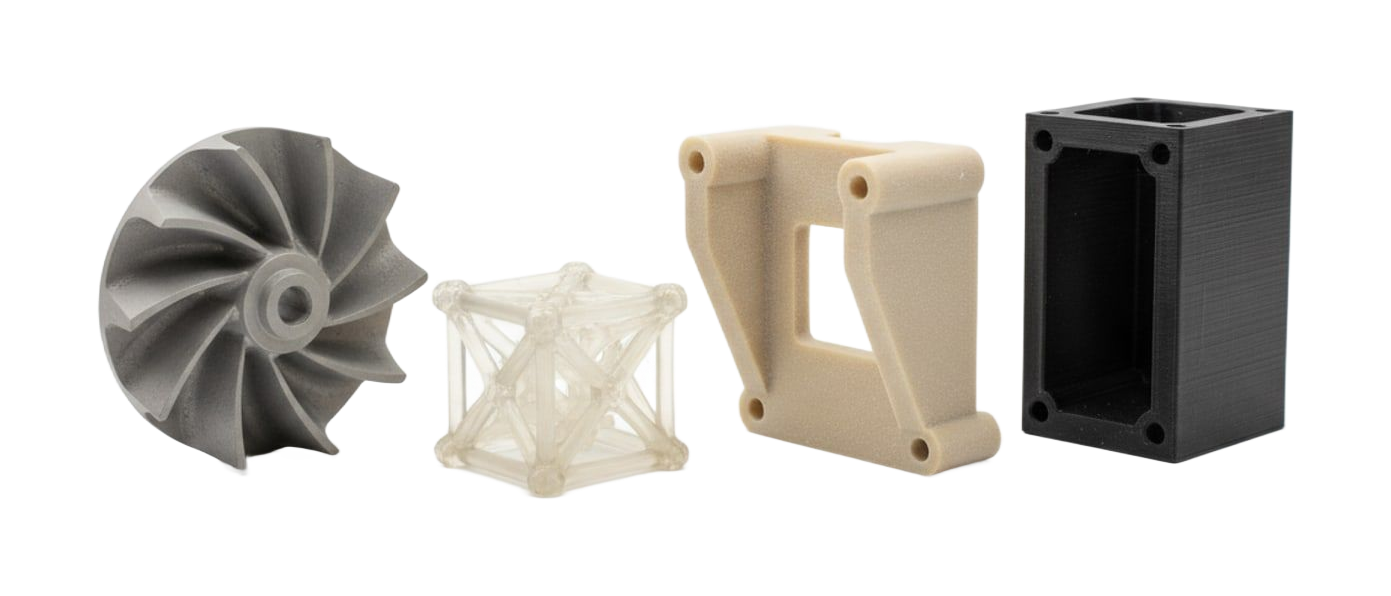
3D Printing Capabilities
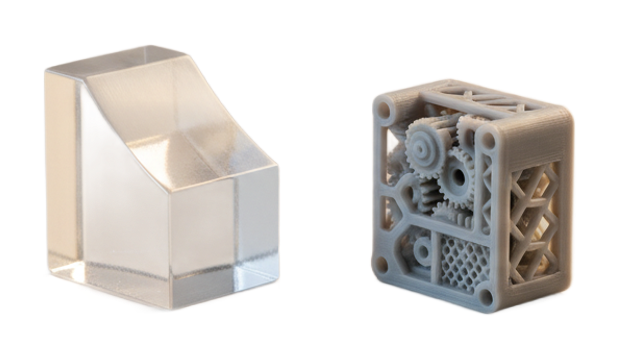
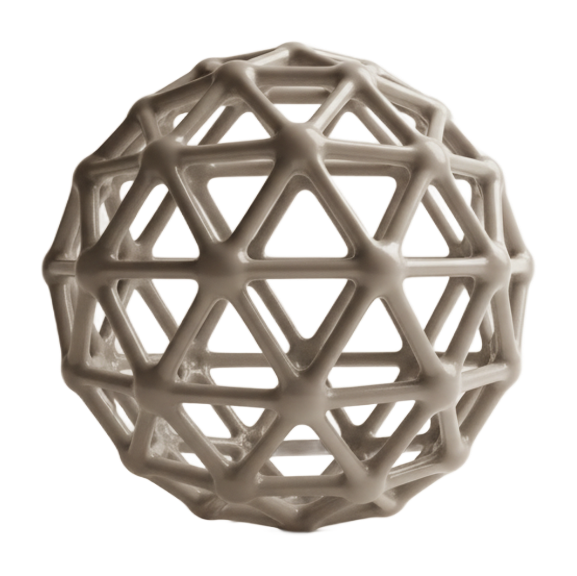
SLA: Stereolithography
UV-cured resin for high-detail concept models, master patterns, and functional prototypes. Excellent surface quality and fine feature resolution to 0.05 mm (0.002 in).
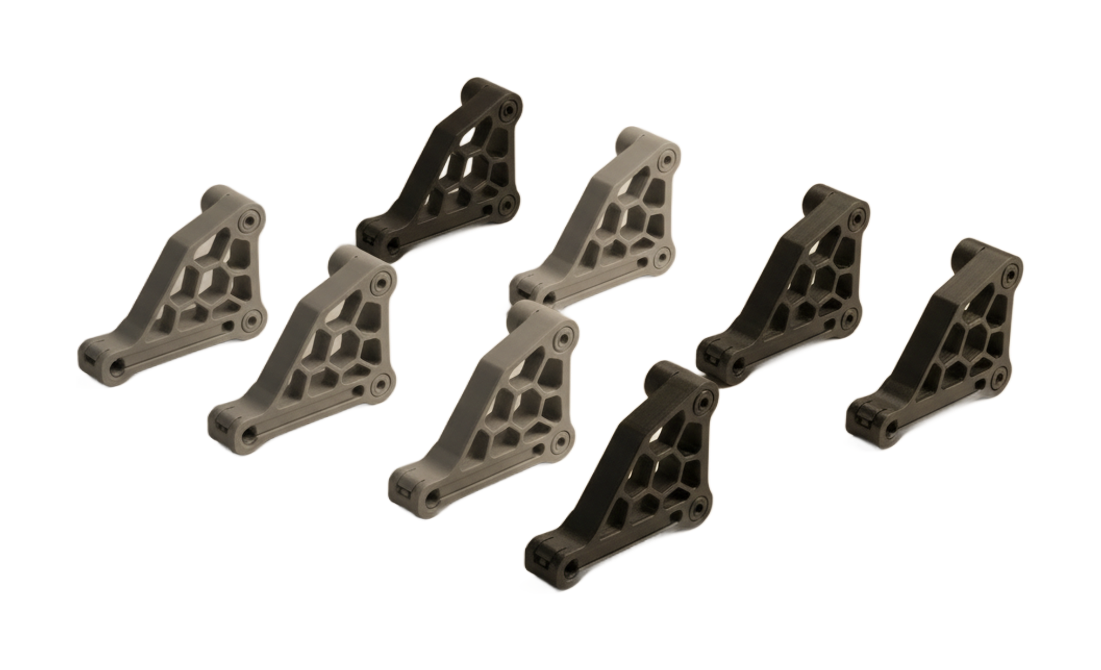
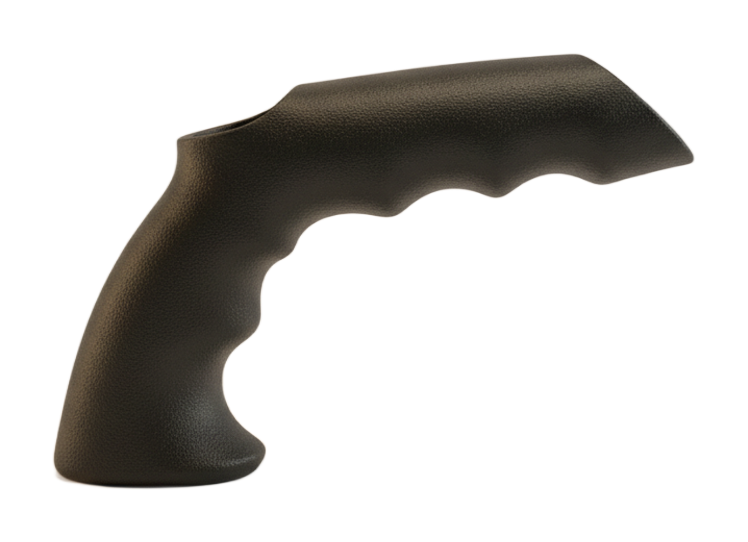
SLS / MJF: Powder Bed Fusion
Selective Laser Sintering and Multi Jet Fusion produce strong, isotropic nylon parts without support structures. Well-suited for complex geometries and functional end-use parts.
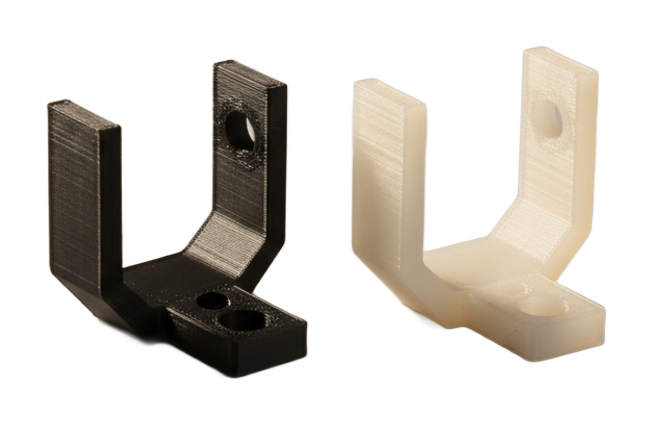
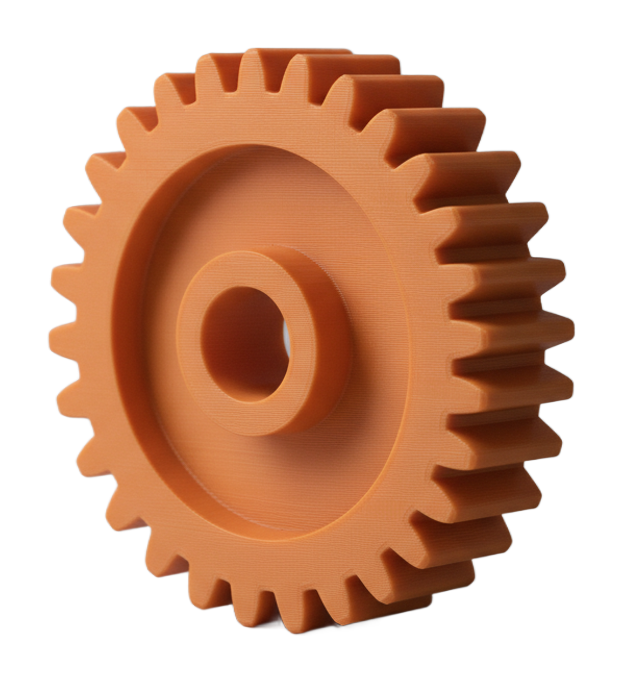
FDM: Fused Deposition Modeling
Thermoplastic extrusion in engineering-grade materials including ABS, ASA, PC, and carbon fiber-filled filaments. Cost-effective for large structural prototypes.
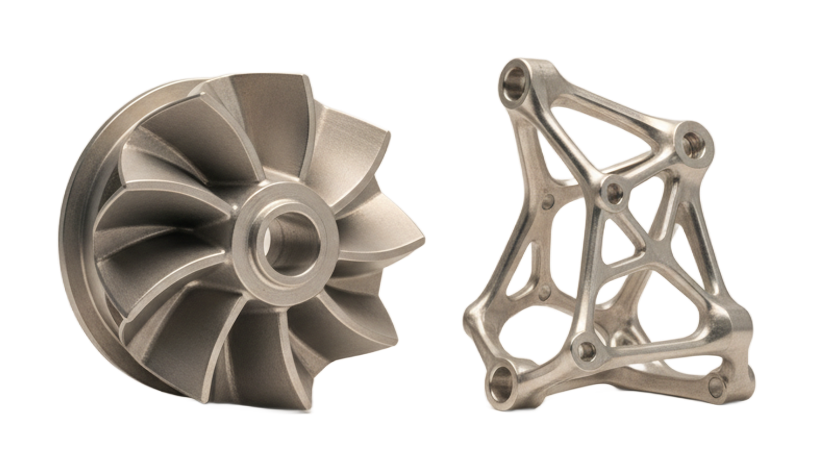
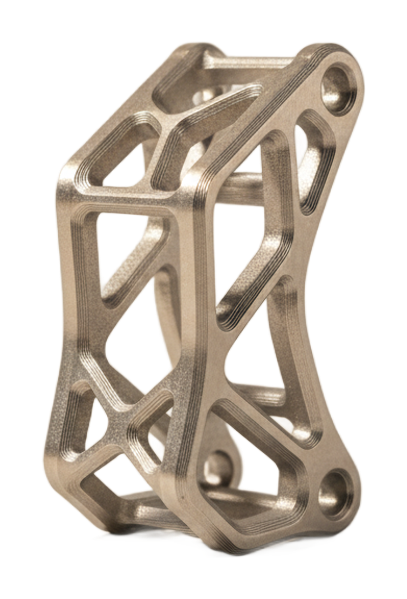
DMLS / SLM: Direct Metal Laser Sintering
Laser powder bed fusion of metal alloys produces fully dense, structural metal parts. Supports titanium, aluminum, stainless steel, Inconel, and cobalt-chrome.
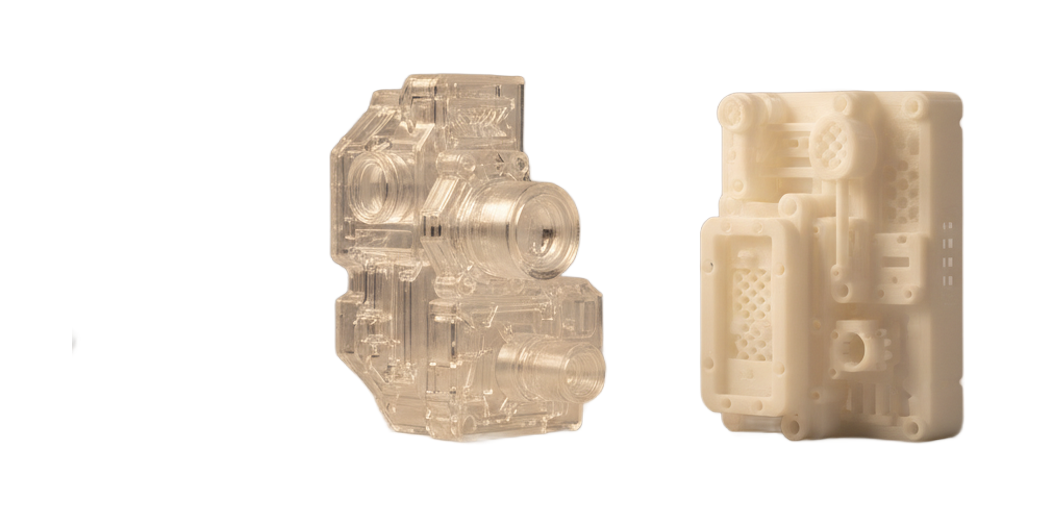
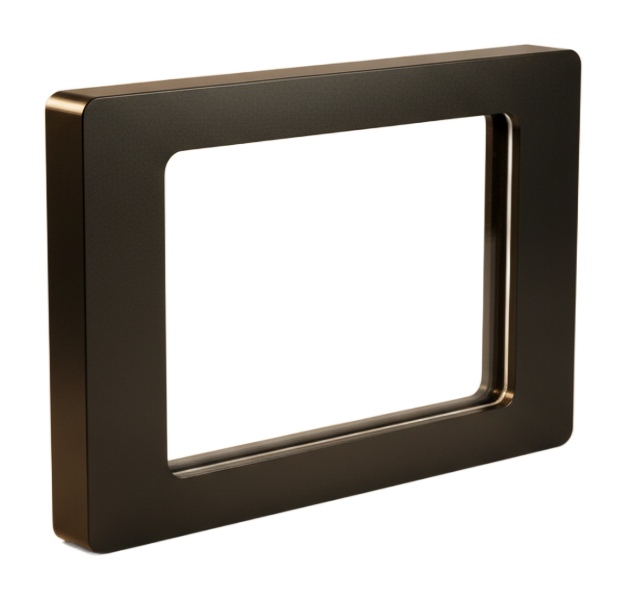
MJP / PolyJet: Material Jetting
Jetted photopolymer droplets cured layer by layer for the highest-resolution, smoothest plastic parts. Excellent for fine visual models, master patterns, and transparent components.
Printed, cleaned up, then finished
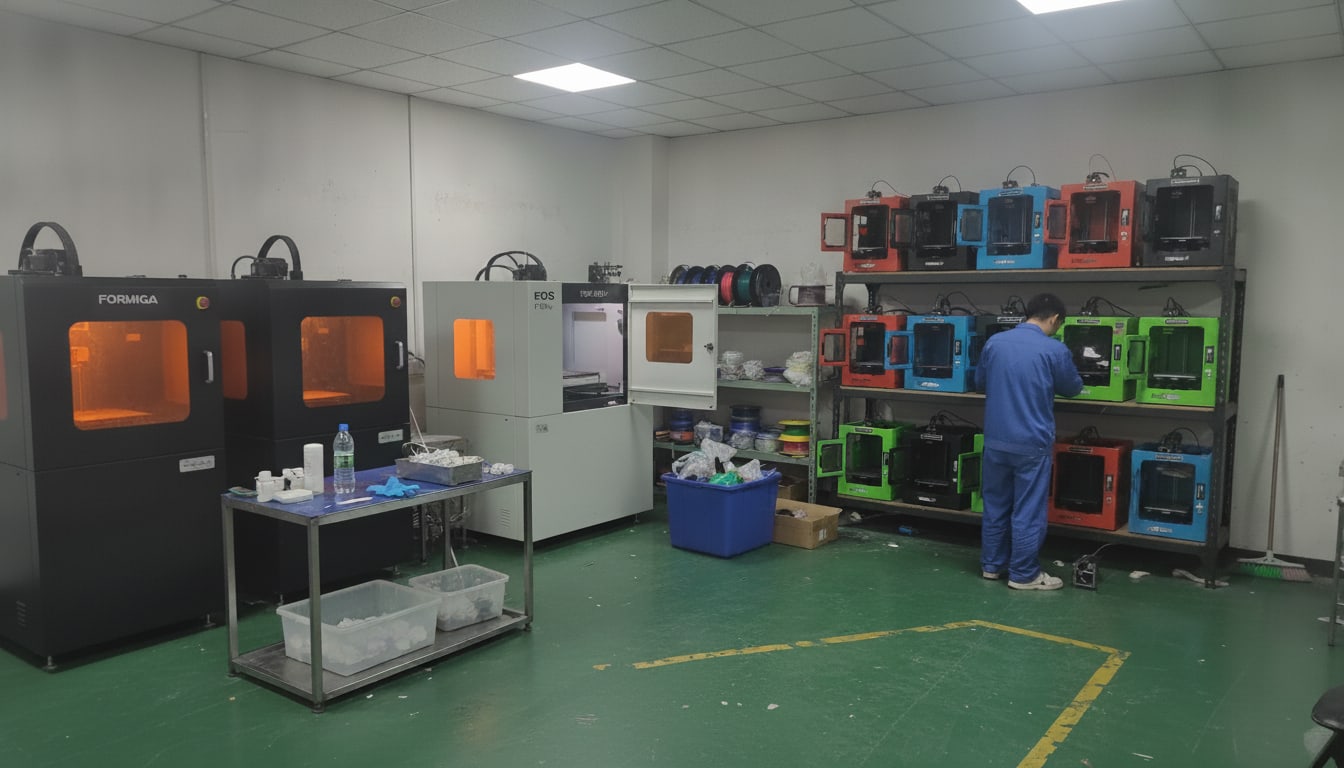
Your file is oriented and nested for the build, then printed on one of six technologies: SLA on UnionTech systems, SLS on EOS FORMIGA machines, HP Multi Jet Fusion, DMLS for metal, FDM, and material jetting on 3D Systems ProJet. Layer resolution goes to 0.025 mm (0.001 in) and minimum features to 0.1 mm (0.004 in). Parts are then depowdered or de-supported, cured and hand finished across more than 50 materials.
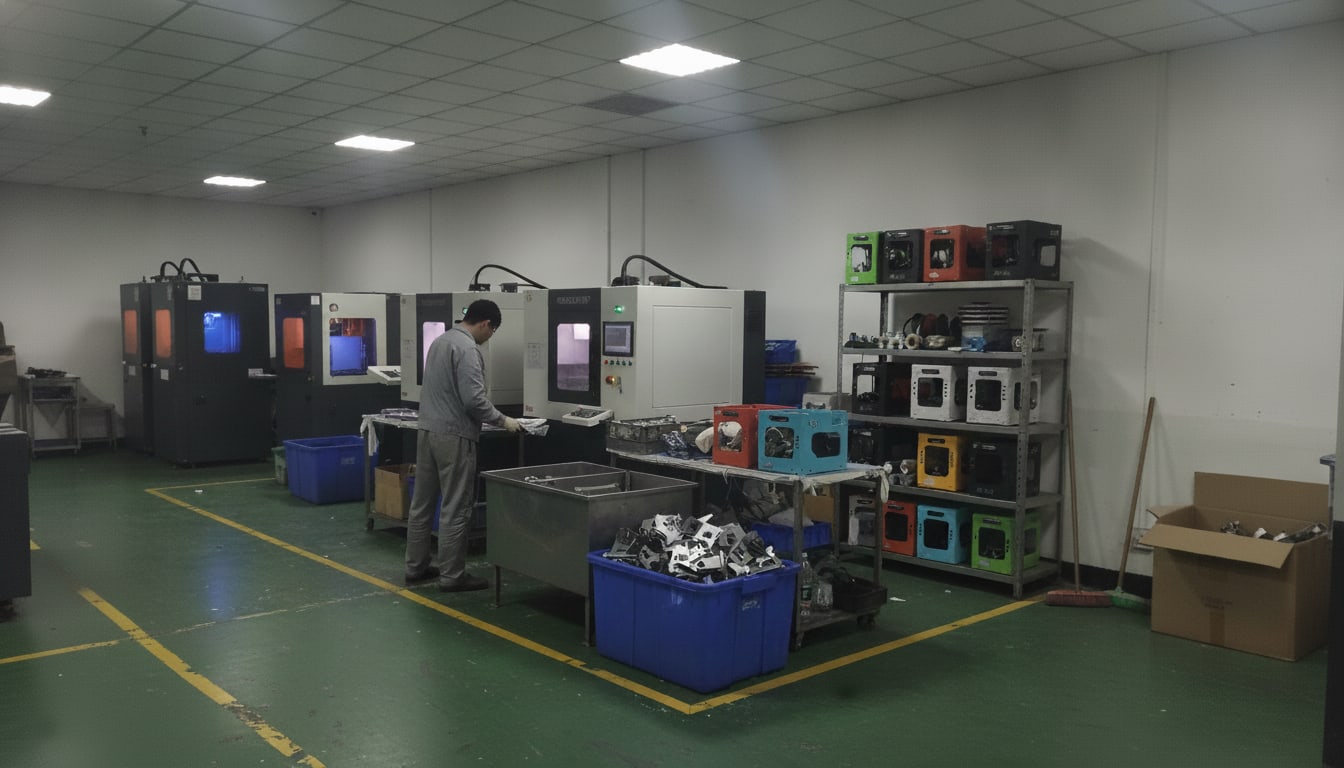
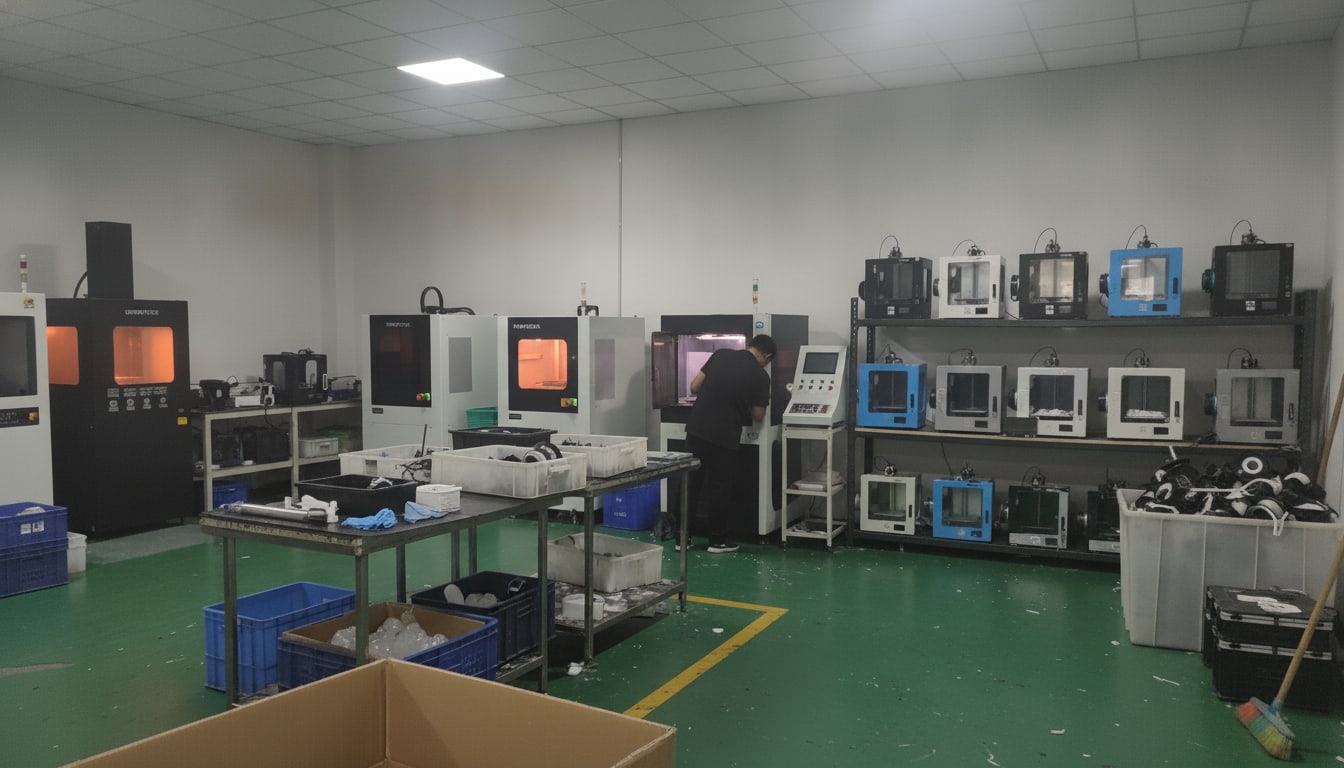
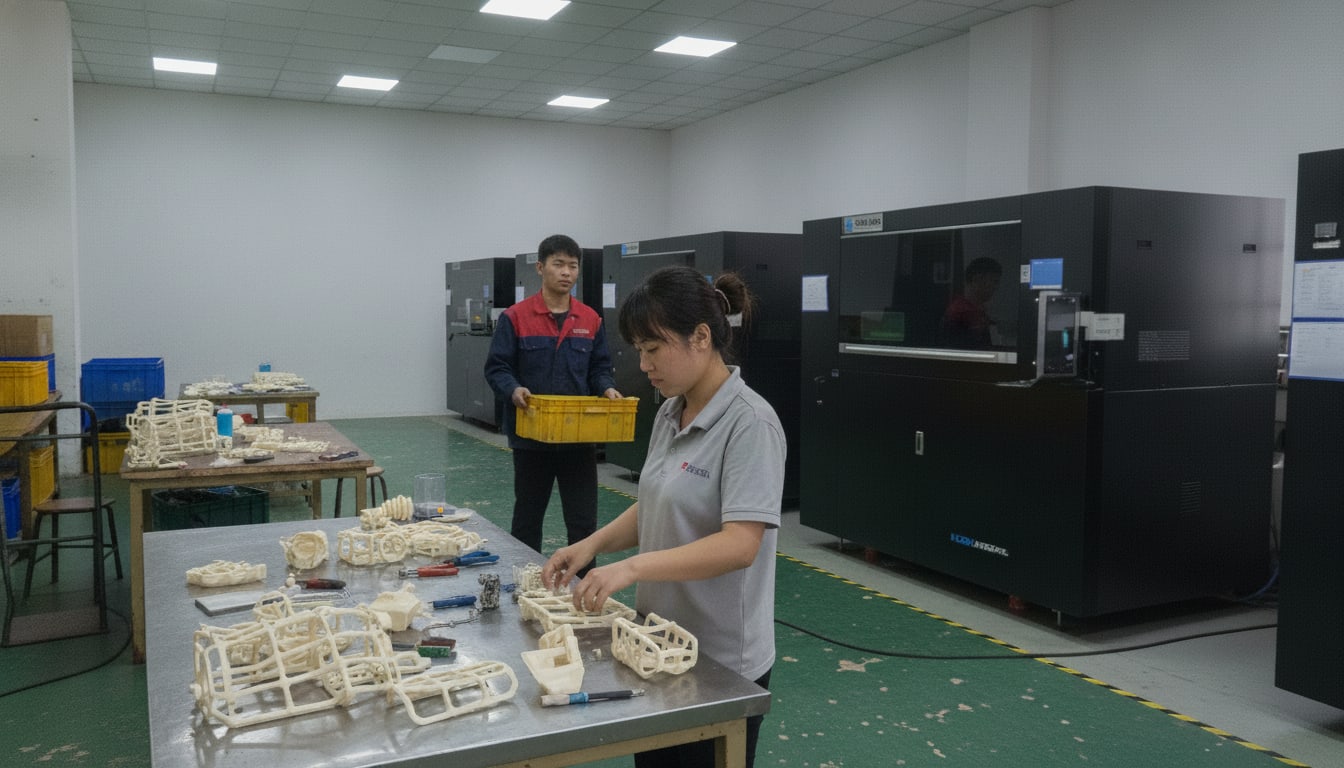
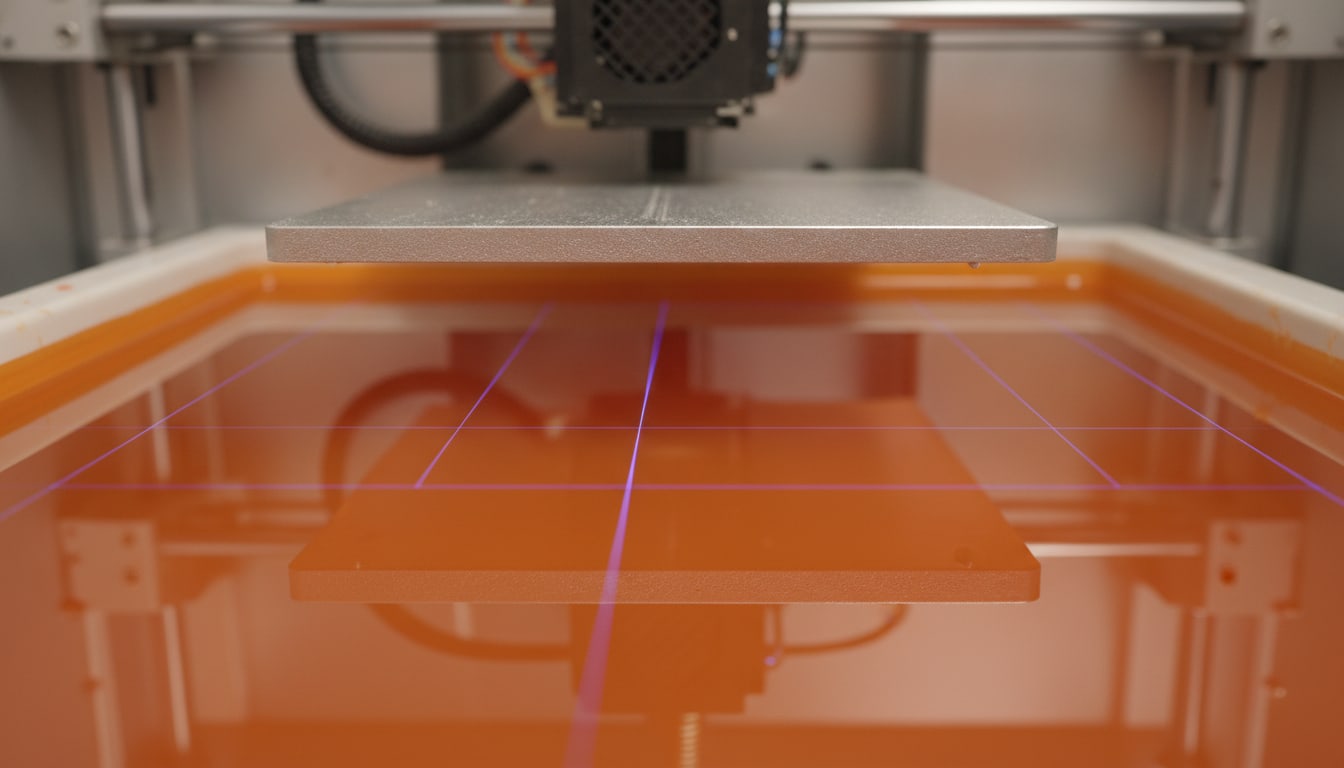
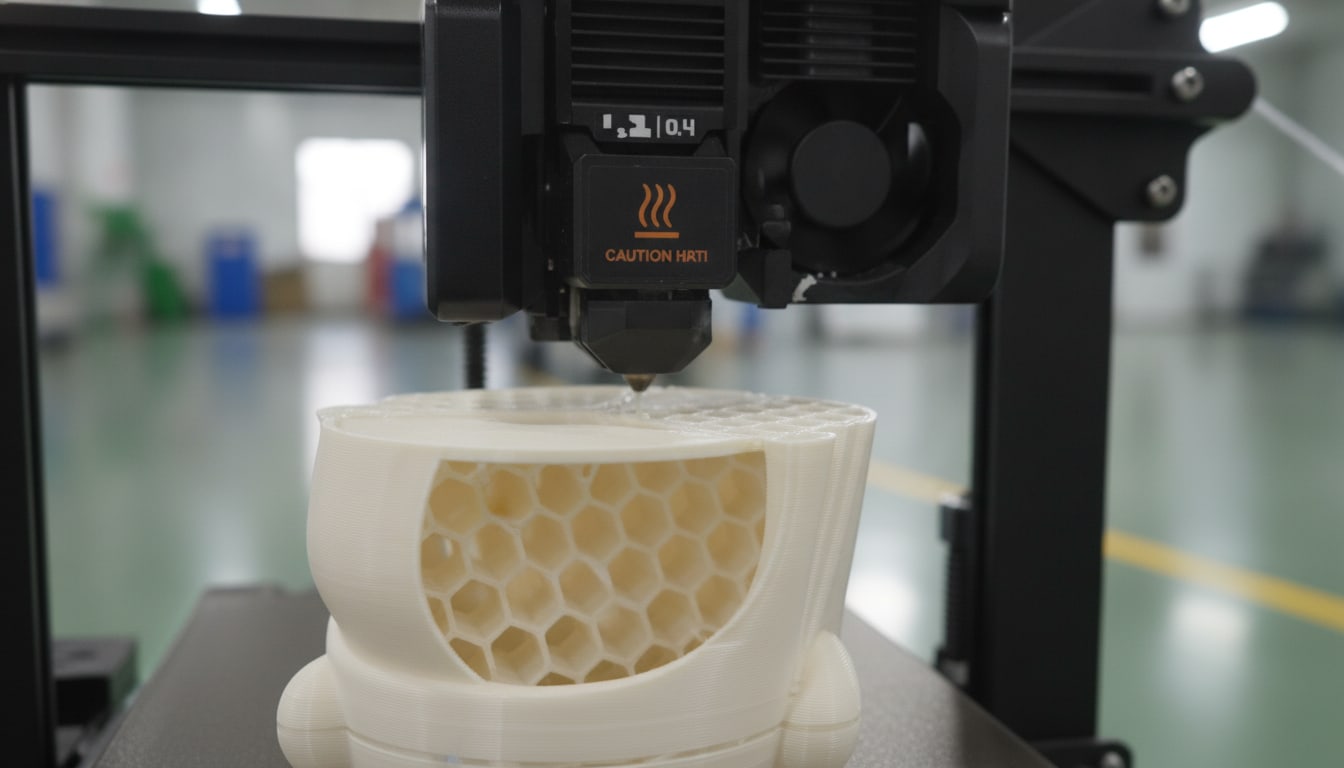
Watch a part grow layer by layer
Thirty seconds on the floor: metal fusing in a powder bed, nylon printing without supports, and the finishing room where parts are sanded, primed and painted.
Compatible Materials
SLA Resins
- Standard White / Gray
- Clear / Translucent
- Tough (ABS-like)
- High-Temperature
- Flexible / Rubber-like
SLS / MJF Powders
- PA12 (Nylon 12)
- PA11
- PA12-GB (Glass Bead Filled)
- TPU Flexible
- Carbon Fiber Reinforced PA
FDM Filaments
- PLA
- ABS
- ASA (UV Stable)
- PETG
- Polycarbonate
- Nylon PA
- TPU
DMLS Metal Powders
- Ti6Al4V (Titanium)
- AlSi10Mg (Aluminum)
- 316L Stainless Steel
- Inconel 718
- Maraging Steel
PolyJet / MJP Resins
- Rigid Opaque
- Clear / Transparent
- High-Detail
- Rubber-like (Shore A)
Available Surface Finishes
Standard (As-Printed)
Parts as-built from the printer. Layer lines may be visible depending on technology and orientation.
Sanded & Primed
Hand or machine sanding to reduce layer lines, followed by primer coat. Common precursor for painting.
Painted
Spray or airbrush painting in any RAL / Pantone. Supported on SLA, SLS, and FDM materials.
SLA Polishing
Wet-sanded and polished to optical clarity for transparent resin parts.
Metal Post-Processing
DMLS parts can be CNC machined, heat treated, HIP-densified, and polished to engineering specifications.
Typical Applications
Technical Documents & Specifications
Design guides and references for this process, grounded in real manufacturing rules. More are on the way.
3D Printing Design Guide
Minimum wall thickness, feature size, overhang limits, and orientation recommendations per technology.
Material Data Sheets
Tensile strength, elongation at break, HDT, and chemical resistance for all supported print materials.
Tolerances & Fits
General tolerances, GD&T controls, and ISO 286 fits, with achievable bands by print technology.
Post-Processing & Finishing
Support and powder removal, blasting, dyeing, and smoothing, and their effect on accuracy.
Industries we serve with 3D Printing
Teams we manufacture this process for. See representative parts and requirements by industry.
Ready to source your 3d printing parts?
Upload your files. We measure your model against per-process, per-material rules and send a DFM review before you commit to a quote.