Robotics & Automation
Structural, actuator, and end-of-arm hardware that keeps your build on schedule.
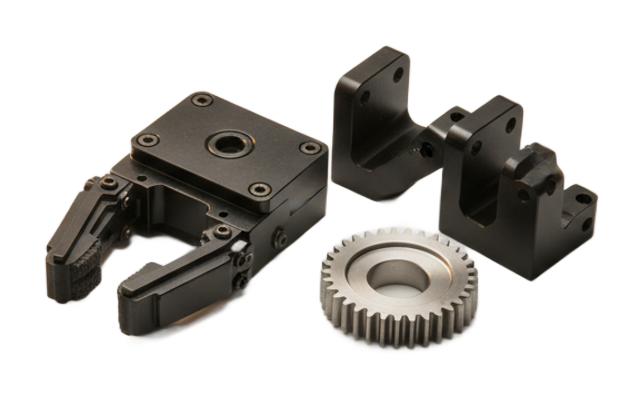
Robotics teams use MASA FabWorks for the mechanical parts of arms, hands, and actuators, and of mobile robots: structural links, gearbox and joint housings, chassis, sensor mounts, battery enclosures, docks, and grippers. We can be your main manufacturer or a second source alongside your current one, so your team can stay focused on controls and software.
5
Processes
H7 fits
Bearing bores
Al / steel
Structural metals
None
Minimum order
Built around how robotics teams buy parts
Pilot builds, then reorders
Start with a few parts for your pilot robots. We build only from the model you approve, and nothing changes without your sign-off. As the fleet grows, each reorder runs from the same file to the same numbers, and watching for drift is on us.
A second source alongside your current manufacturer
If a manufacturer already builds your robot, we can take the parts it does not, like brackets, fixtures, and spares, or run alongside it as a second source. Each order gets its own project space, with photos and short videos posted as the parts are made, without you asking.
Spares for robots in the field
Replacement links, covers, mounts, and brackets for robots already deployed. There is no minimum order, so a handful of spares is fine, and every part is inspected against your drawing, with the report posted to your project.
Precision at bearing and gear interfaces
Bearing seats and press fits are machined to standard ISO fits such as H7, and gear-mesh centers to ±0.025 mm (0.001 in), tighter with grinding where the drawing calls for it. Cast housings are CNC-finished at their critical bores.
Robotics & Automation parts, by process
Representative parts we manufacture for this industry. Every part is quoted to your drawings and materials.
CNC Machining
Machining from solid gives the tight bores and flatness that grippers, gear housings, and structural links need, in aluminum and tool steel.
Explore CNC Machining services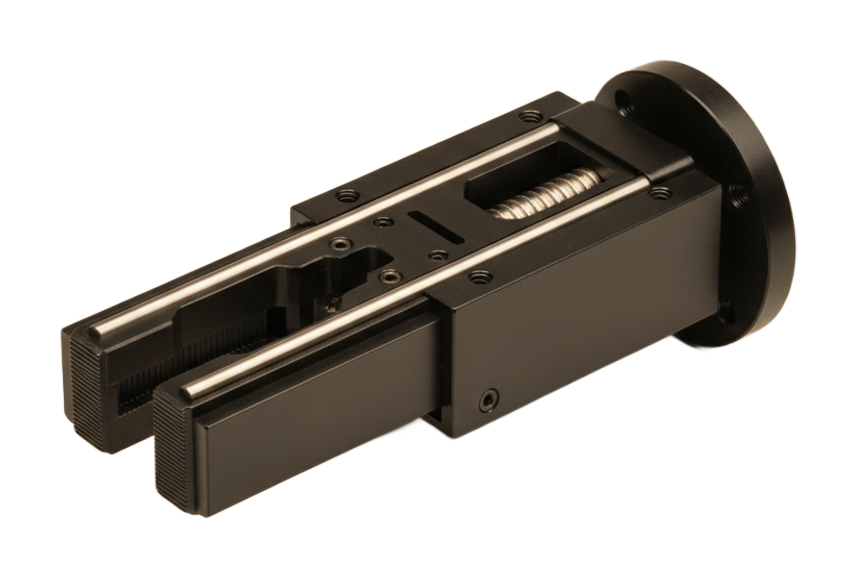
Gripper end-effector
Machined black-anodized aluminum
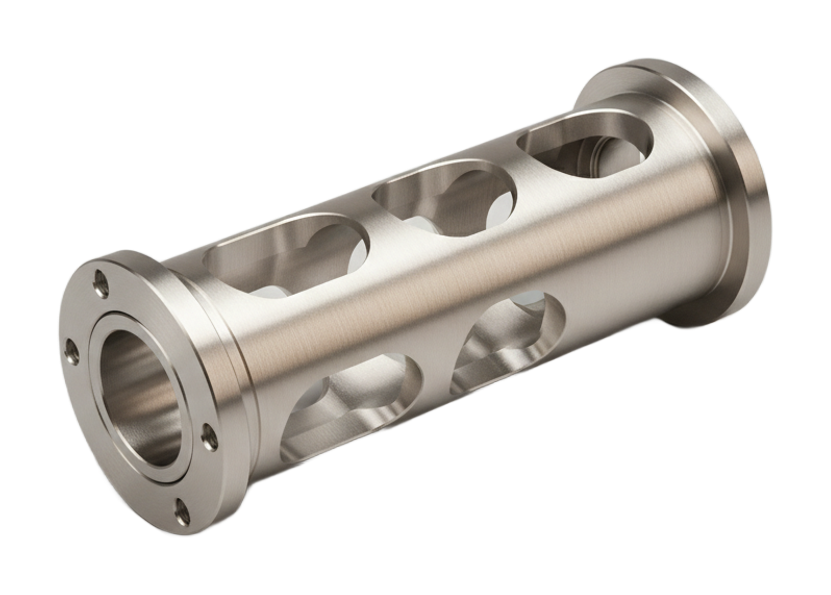
Arm link
Machined aluminum, bearing bores
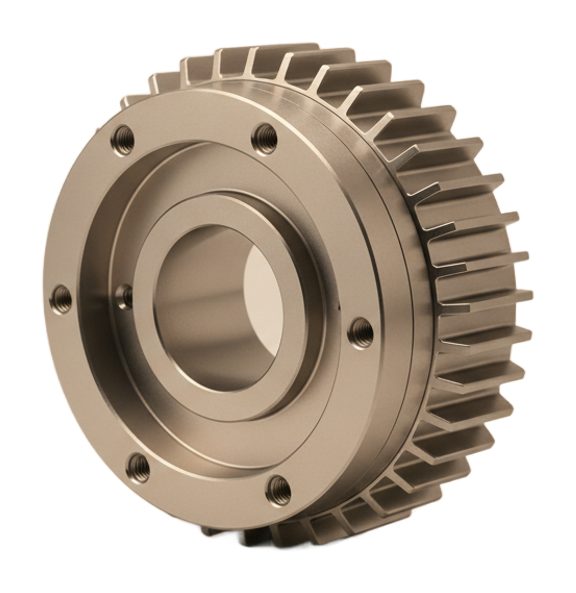
Gearbox housing
Machined aluminum, anodized
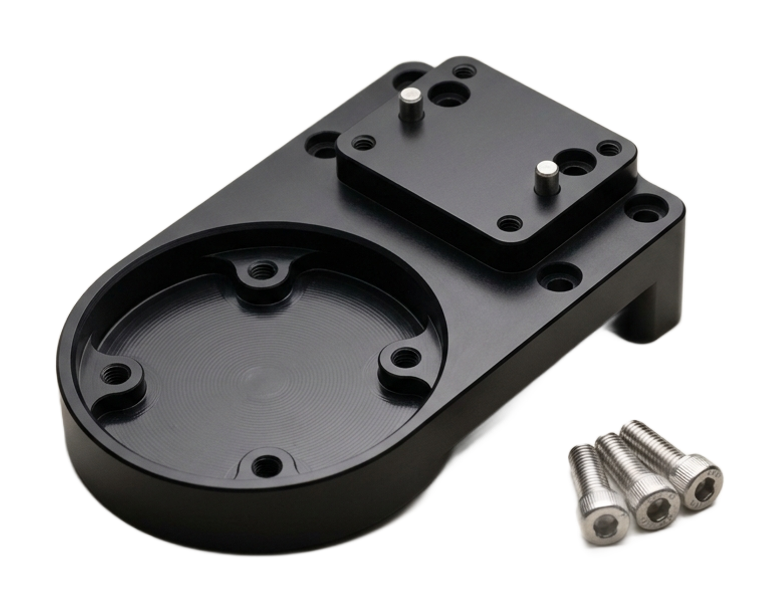
Lidar and camera mount
Machined black-anodized aluminum
Die Casting
Die casting produces net-shape joint and servo housings at volume, with critical bores machined after casting.
Explore Die Casting services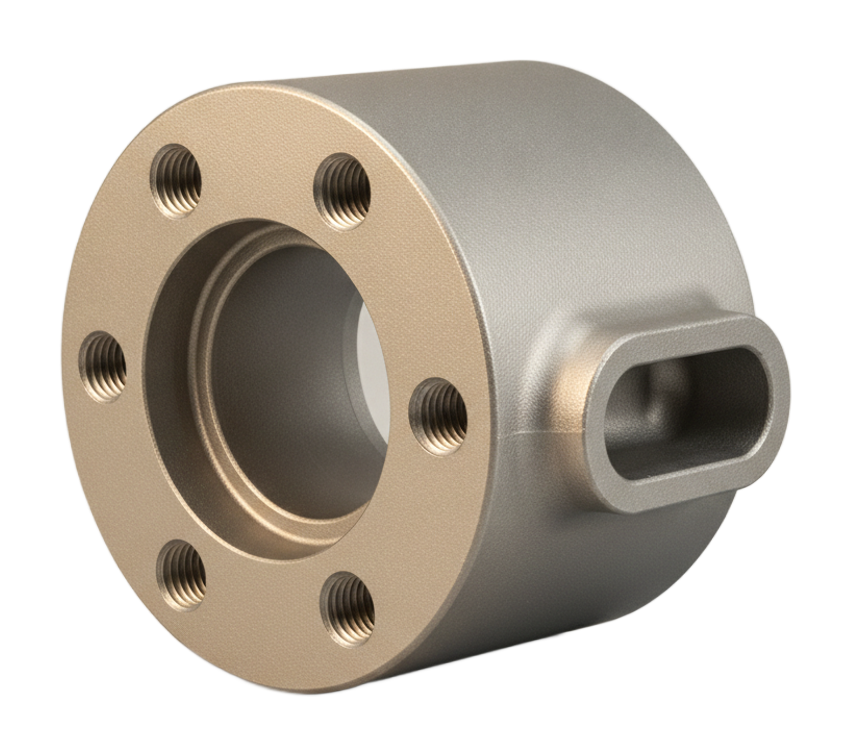
Joint housing
Die-cast aluminum
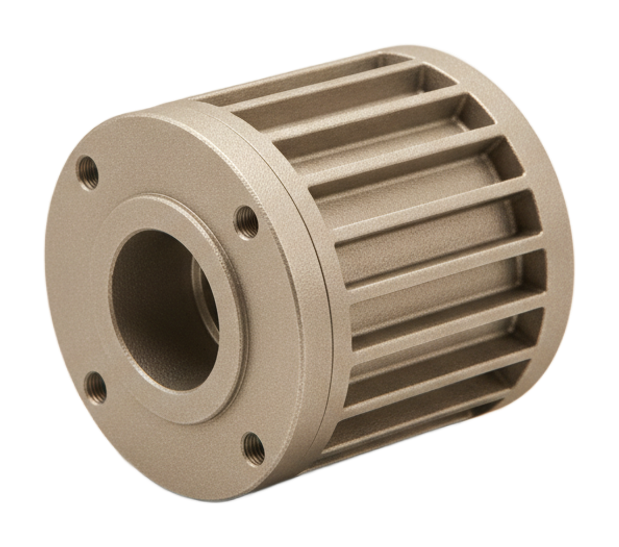
Servo housing
Die-cast aluminum, finned
Sheet Metal Fabrication
Fabrication delivers mobile-robot chassis, battery enclosures, and control-cabinet enclosures in powder-coated steel and aluminum.
Explore Sheet Metal Fabrication services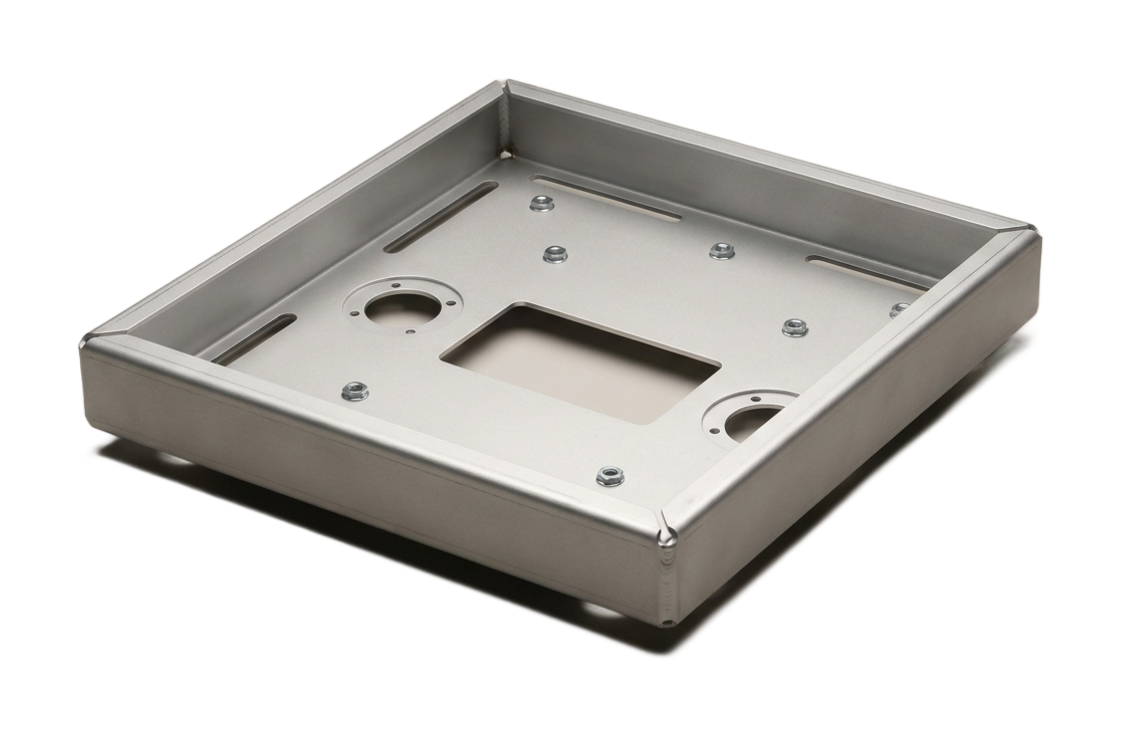
Mobile-robot chassis
Bent and welded aluminum sheet
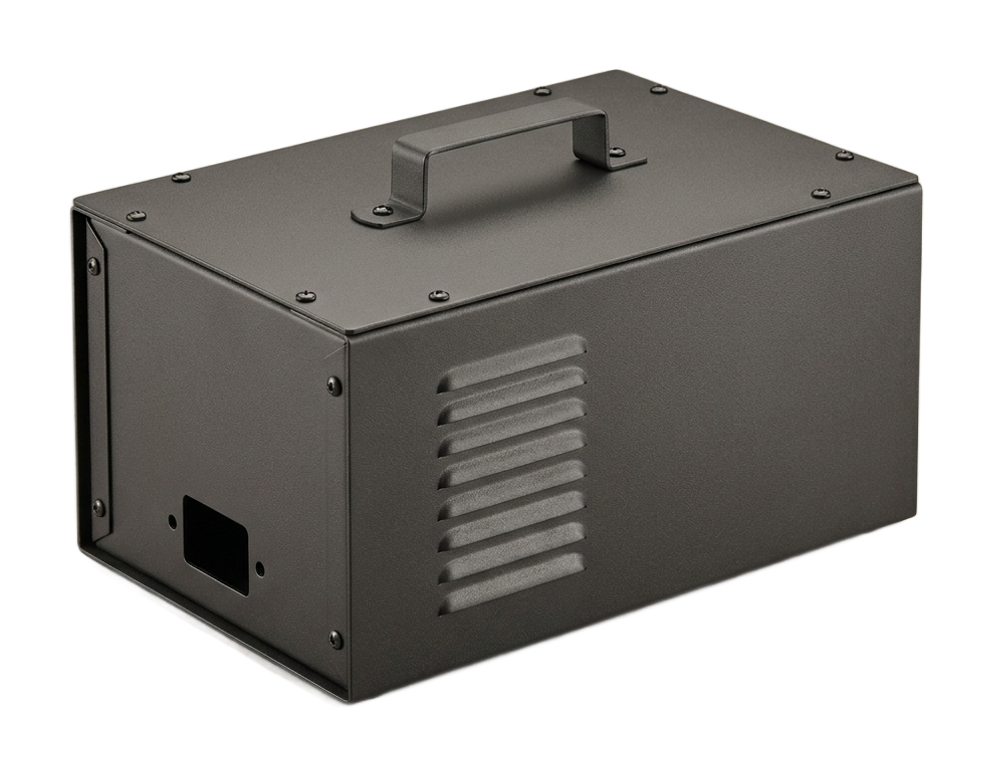
Battery enclosure
Folded powder-coated steel
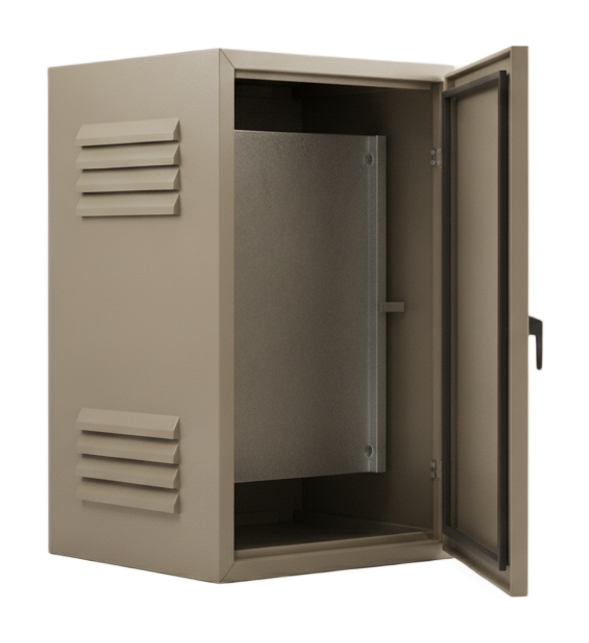
Control enclosure
Folded powder-coated steel
Injection Molding
Once a design is stable, molding produces charging-dock housings, covers, and body panels in textured ABS and PC/ABS.
Explore Injection Molding services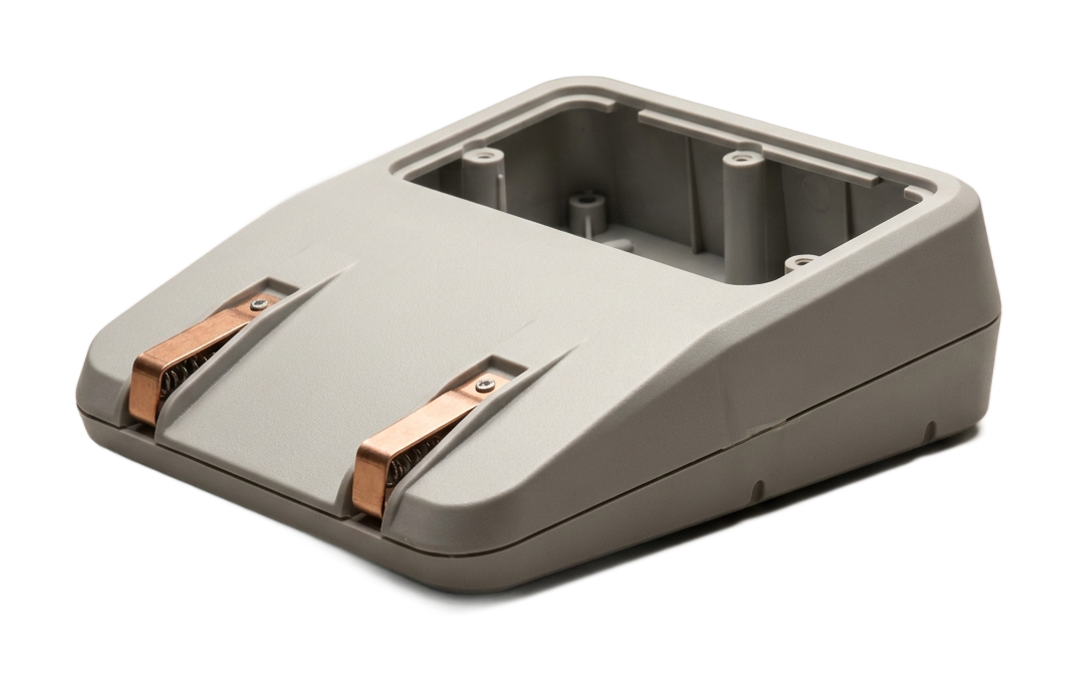
Charging-dock housing
Molded textured ABS, spring contacts
3D Printing
Additive turns around cable carriers, soft jaws, and custom tooling in engineering nylons with no tooling.
Explore 3D Printing services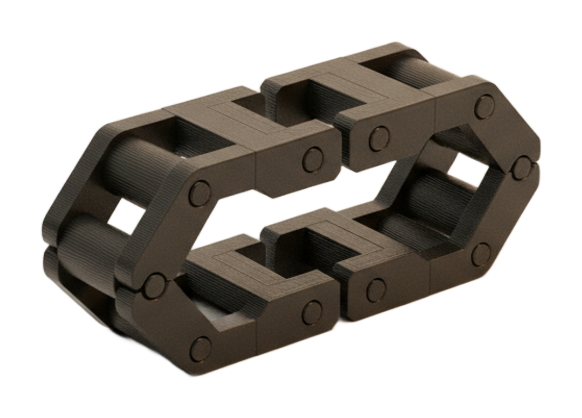
Cable carrier
FDM nylon, articulated
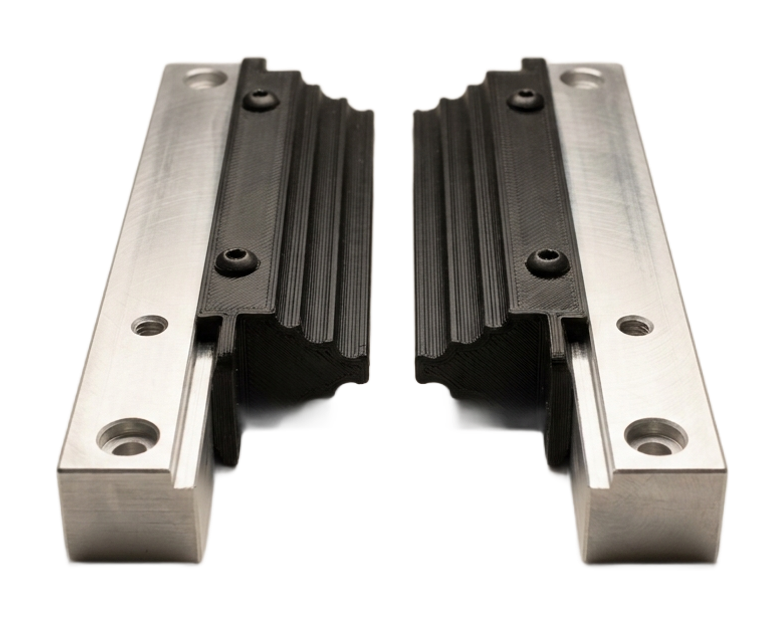
Gripper fingers
Machined bases, SLS nylon pads
Where we help most
Common material grades
Aluminum
- 6061-T6
- 7075-T6
- A380 cast
Steels
- Mild steel
- Tool steel
- Stainless 304
Engineering plastics
- Carbon-filled nylon
- POM
- ABS/PC
Additive
- SLS PA12
- FDM nylon
Standards & responsibility
ISO 9001 quality systems are held by the manufacturing facilities. FabWorks supplies custom mechanical components; system integration and safety validation remain owned by your engineering team.
Related technical guides
Design-for-manufacturability guides and references most relevant to robotics & automation parts.
Designing for CNC Machining: A DFM Guide
The design rules that matter most for CNC milling and turning, with the numbers we use and why: walls, radii, pockets, holes, tolerances, and finish.
Read the guideGD&T, Tolerances, and Fits: A Primer
General tolerances, the GD&T controls and feature control frame, material condition and bonus tolerance, and how to choose an ISO 286 fit, with achievable bands by process.
Read the guideThreads, Inserts, and Fastening
Cut threads vs thread-milling, minimum thread engagement, and when to use heat-set, press-fit, or self-clinching inserts so a joint holds and survives reassembly.
Read the guideTolerance Stack-Up and Assembly
How tolerances accumulate across mating parts, worst-case vs statistical stacking, and how to design the chain down so assemblies go together the first time.
Read the guideMaterials Selection Reference: Alloys and Resins
The metal and plastic families we work in, the properties that separate them, and how to narrow from a family to a grade that both performs and manufactures cleanly.
Read the guideStart a robotics & automation project
Upload your files. We measure your model against per-process, per-material rules and send a DFM review before you commit to a quote.