Injection Molding
From rapid aluminum tooling to hardened production molds. Full custom injection molding under one roof.
MASA FabWorks runs the complete custom injection molding workflow (mold design, mold build, and molding) from rapid prototypes through production. Heated thermoplastic is injected into precision molds on 98 to 1200 ton presses to produce repeatable parts at tight tolerances, and our DFM review catches draft, wall-thickness, and sink issues before any tooling is cut.
~2 weeks
Tooling Lead Time
±0.01 mm / 0.0004 in
Repeatability
98–1200 tons
Clamping Force
SPI 101–103
Mold Class
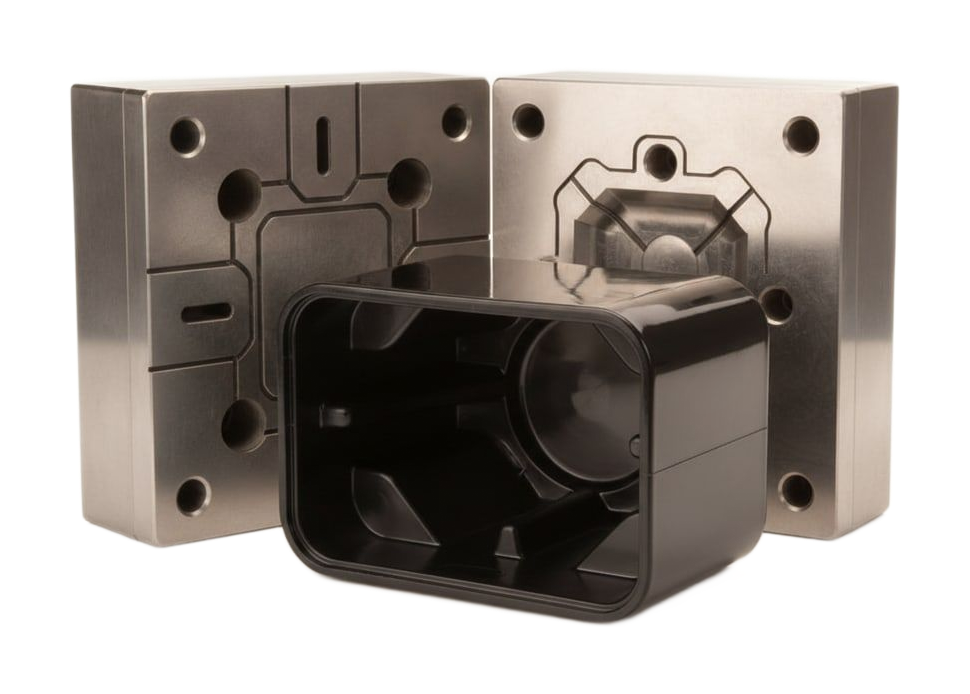
Rapid & Production Tooling
Mold design and build under one roof, for prototype, bridge, and full production programs.
A quality part starts with a quality mold. FabWorks takes tooling end-to-end, from mold design through mold making, across both rapid aluminum molds for prototyping and bridge runs and hardened steel molds built to run for the life of your program. We anticipate quality and manufacturability risks at the design stage and resolve them before any metal is cut.
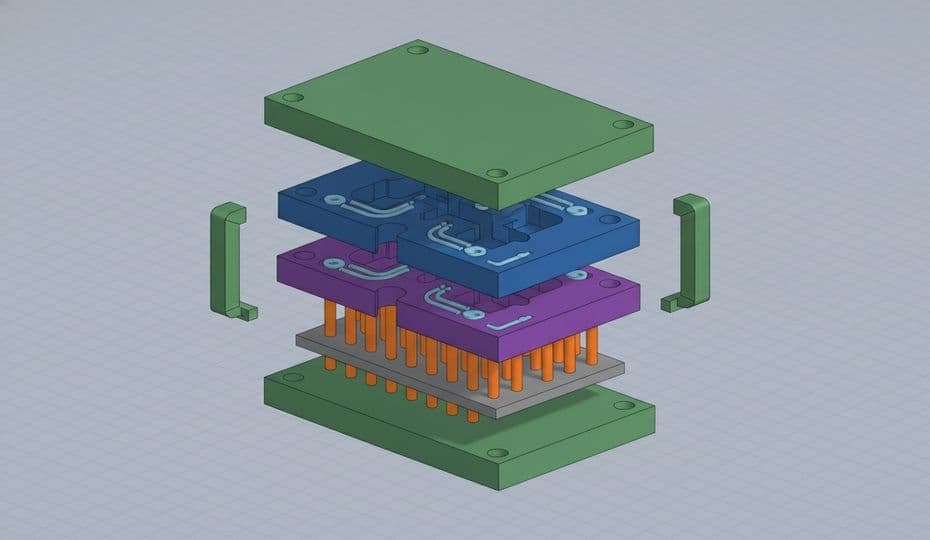
Mold Design
We design the mold from your product designs, 2D/3D models, or drawings, anticipating quality and manufacturability risks at the earliest stage and optimizing the mold with you before steel or aluminum is cut. Our engineers work in UG, Pro/E, SolidWorks, and CATIA and accept STEP, X_T, IGES, DWG, DXF, and PDF data.
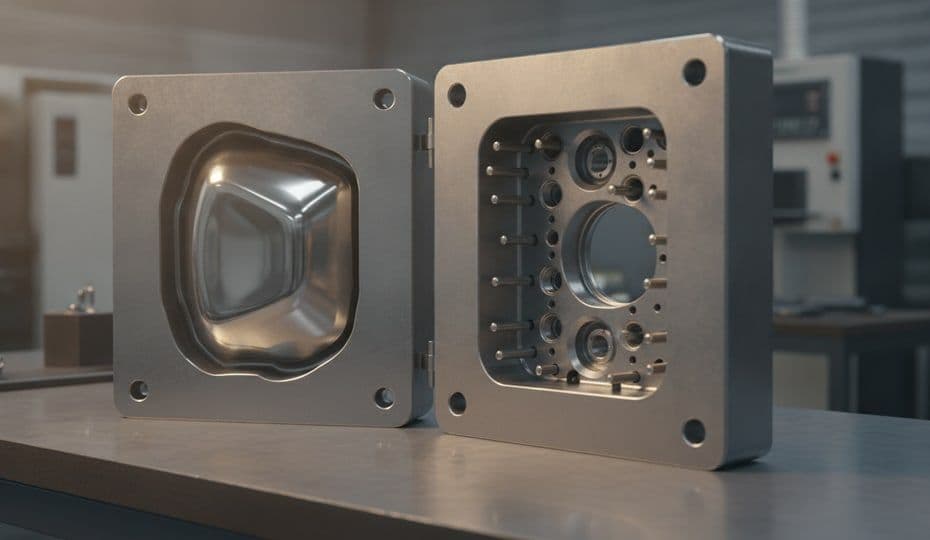
Mold Making
A one-stop tool shop: manufacturability analysis, mold build, T1 sampling, and tuning, each tracked by a dedicated project owner. We produce single-cavity prototype molds through high multi-cavity production molds, including hot-runner, unscrewing, side-action/lifter, two-shot (2K), and insert/over-molds, built to DME and HASCO standards.
Which tooling route fits your program
Almost every molding program takes one of two tooling routes, and the right one depends on how certain your design is and how many parts you need. The difference is not part quality: both routes run the same production-grade thermoplastics on the same presses, so the parts that come off a rapid aluminum tool are real parts, not prototypes in a substitute material. What changes is how fast the tool is ready, what it costs up front, and how long it will keep running. Many programs use both in sequence, molding on aluminum to prove the design and cover early demand while a steel tool is cut for the production life of the part.
Rapid Aluminum Tooling
Prototype and bridge molds cut from aluminum, for speed to first parts and a low up-front commitment.
- Aluminum machines far faster than tool steel, which is most of why the tool is ready sooner and costs less to build.
- It also conducts heat better, so the part cools faster and cycle times are typically shorter than the same geometry in steel.
- Parts are molded in the production resin you intend to ship, so they can be used for functional testing, pre-launch validation, and real customer trials.
- Usually single-cavity or low-cavitation with simpler cooling and ejection, which keeps the build simple and the changes cheap.
- Design changes are far less painful here: reworking or recutting an aluminum insert is a fraction of the cost of altering a hardened steel cavity.
- Practical life runs to roughly 100,000 parts depending on resin and geometry. Glass-filled and other abrasive resins wear aluminum noticeably faster.
Best for: Validating a design, pilot and pre-launch builds, market tests, and bridging demand until production tooling is ready.
Hardened Steel Production Tooling
Molds cut from pre-hardened and through-hardened tool steels, built to hold tolerance for the life of the program.
- Steel is selected against the resin, the cosmetic requirement, and the expected volume: P20, H13, S136, NAK80, and 718 are the common choices.
- Multi-cavity layouts, hot runners, unscrewing cores, side actions, and lifters raise output per cycle and handle geometry a simple tool cannot.
- Holds dimensional repeatability across long production runs, which is what protects piece-to-piece consistency once volume ramps.
- Stands up to abrasive glass-filled grades such as 30% glass-filled PA66 and PBT, which erode an aluminum cavity far faster.
- Built to DME and HASCO standards at SPI class 101 to 103, so components are replaceable and the tool is serviceable years later.
- Higher up-front cost, amortized across the run. Past a few tens of thousands of parts it is usually the cheaper route per piece.
Best for: Committed volume, long program life, abrasive resins, cosmetic surfaces, and any part where piece price and consistency matter more than tooling lead time.
Injection Molding Capabilities
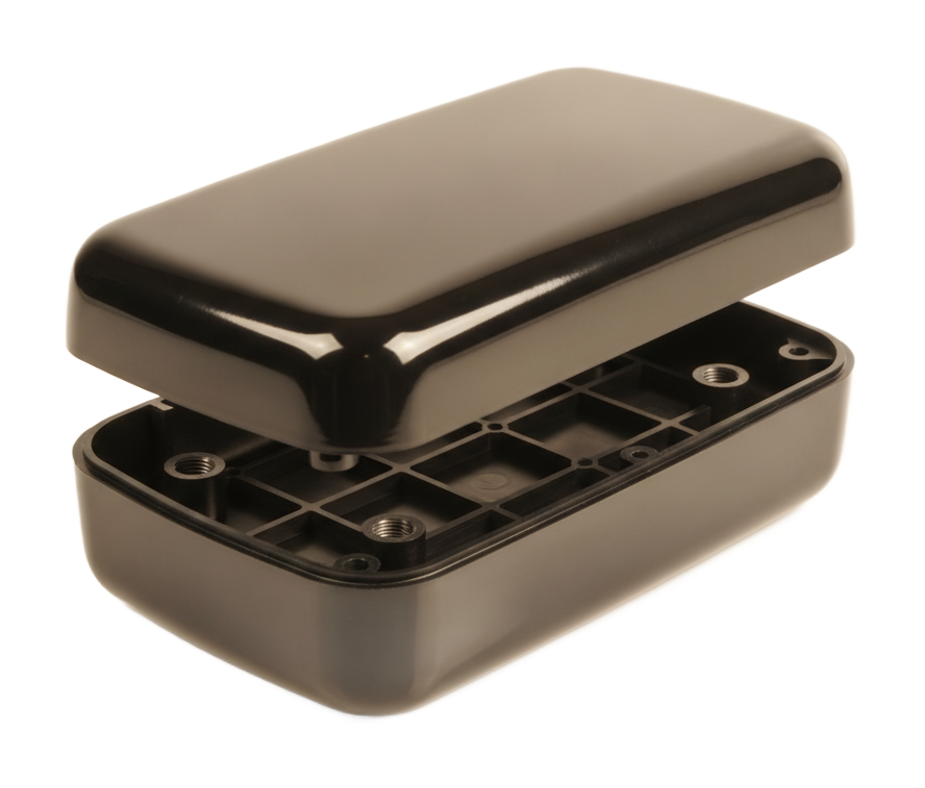
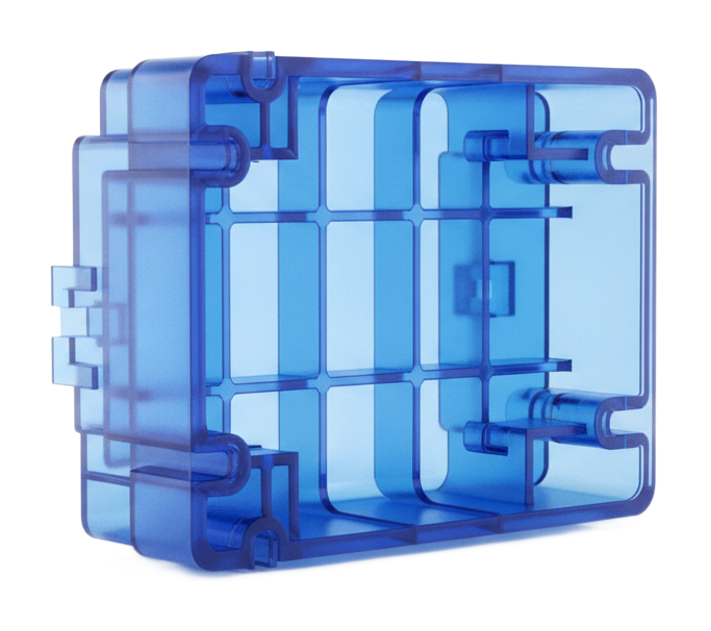
Plastic Injection Molding
Heated thermoplastic is injected into precision molds and cooled into exact, repeatable parts. Efficient large-scale production that holds consistent quality across the full run.
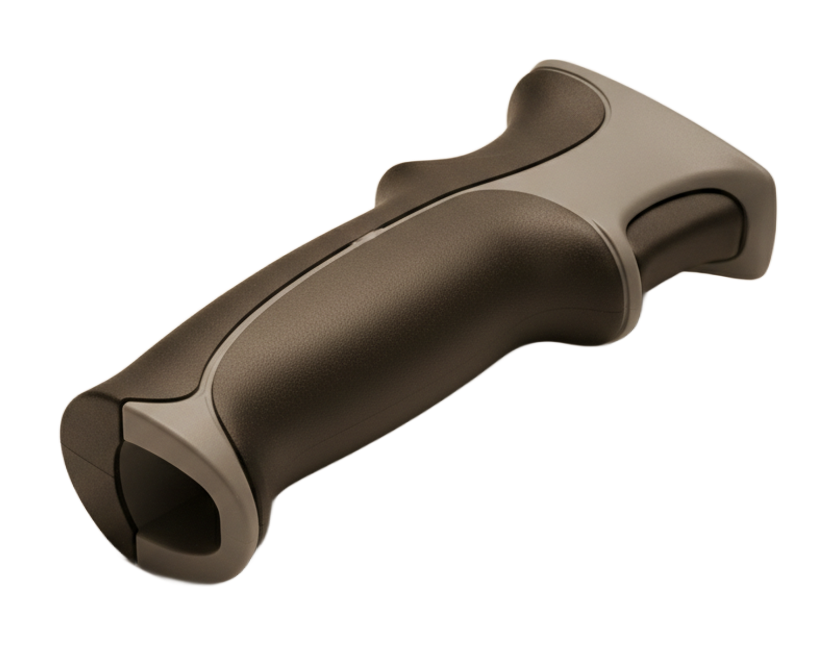
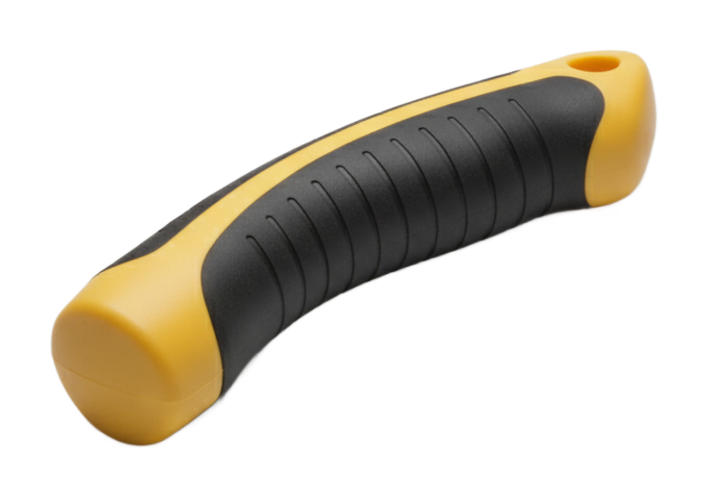
Overmolding
A second material is molded over a substrate to fuse multiple plastics, adding soft-touch grips, seals, and better ergonomics while cutting assembly steps and cost.
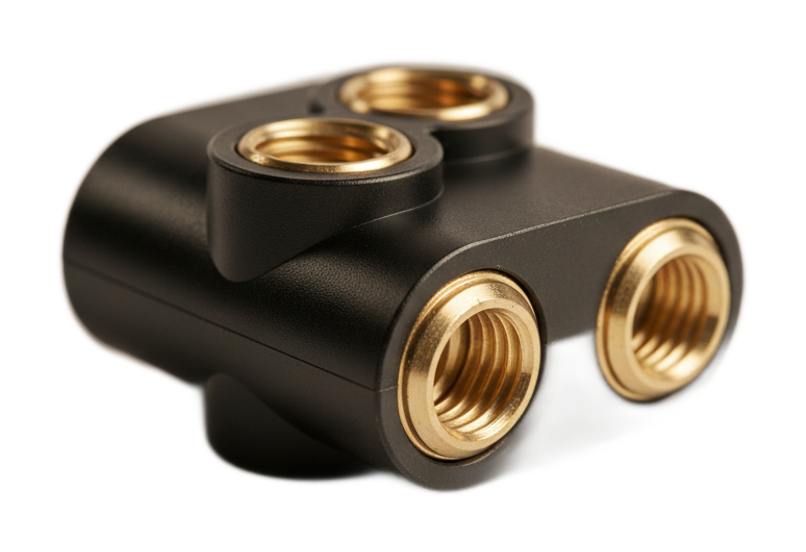
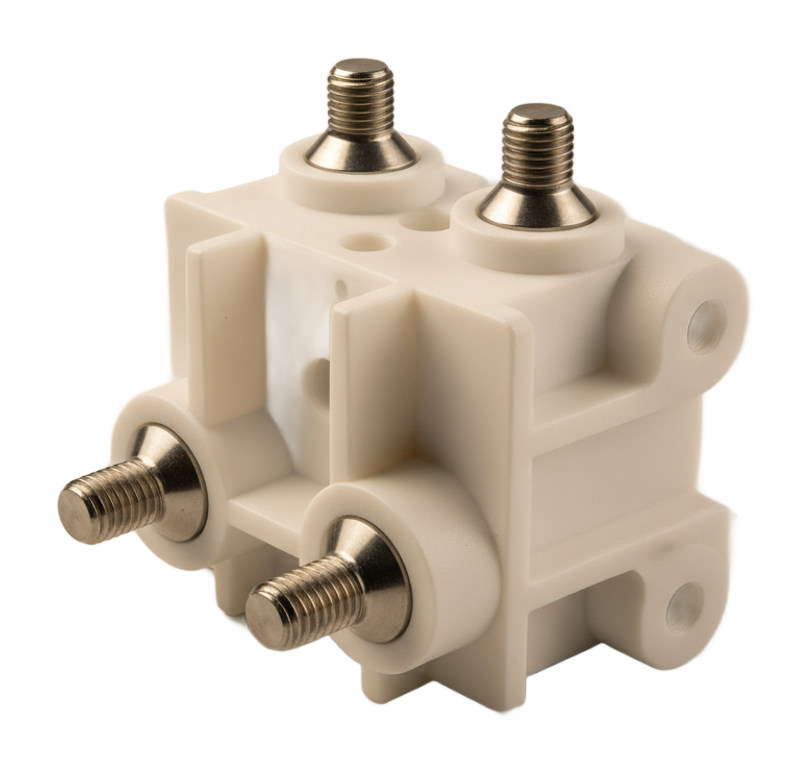
Insert Molding
Pre-placed metal inserts (threaded, electrical, or structural) are encapsulated in plastic, combining metal and plastic in one part for added strength and precise integration.
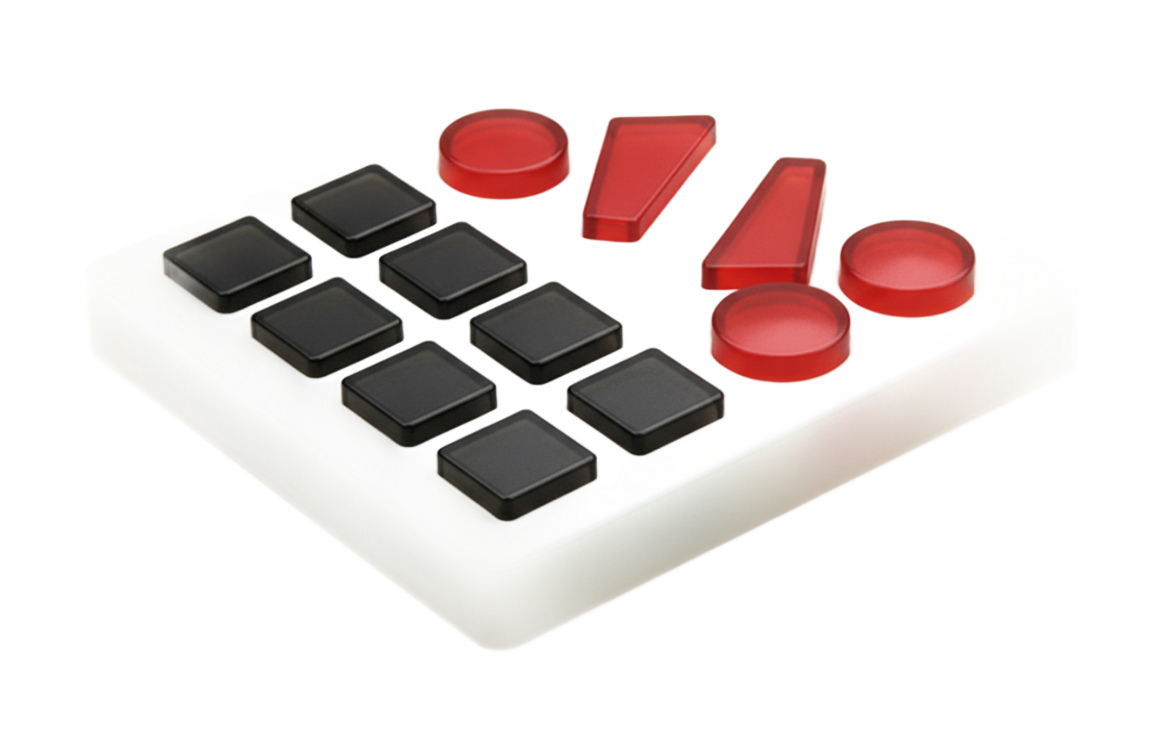
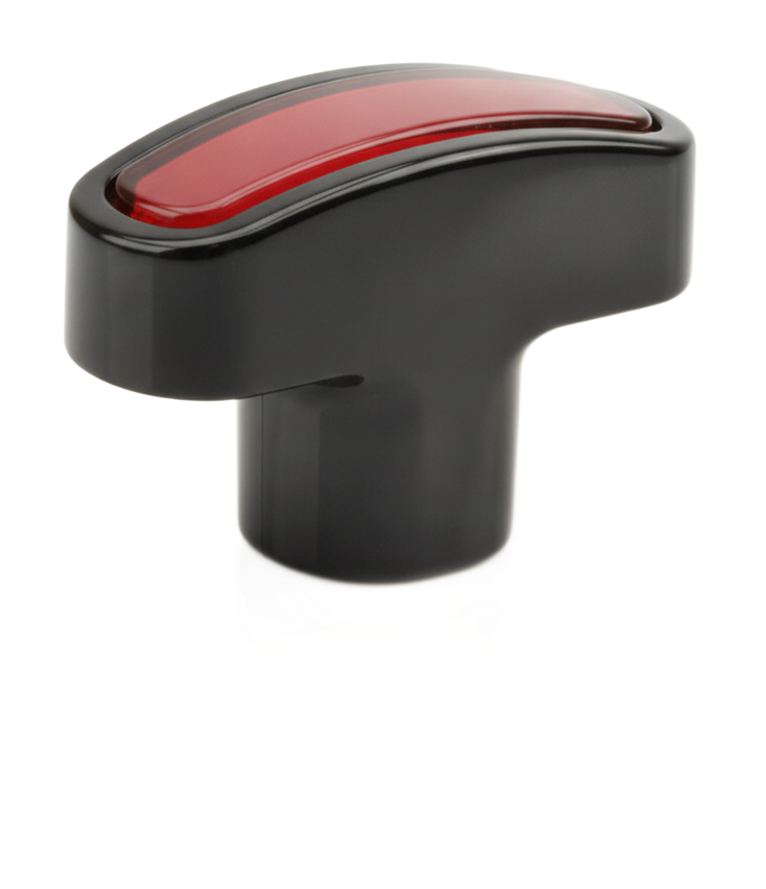
Advanced & Multi-Shot Molding
Two-shot (2K) and multi-cavity tooling plus gas-assisted, MuCell, and IML/IMD processes for complex, high-output, or in-mold-decorated parts in a single operation.
Tool first, then the production run
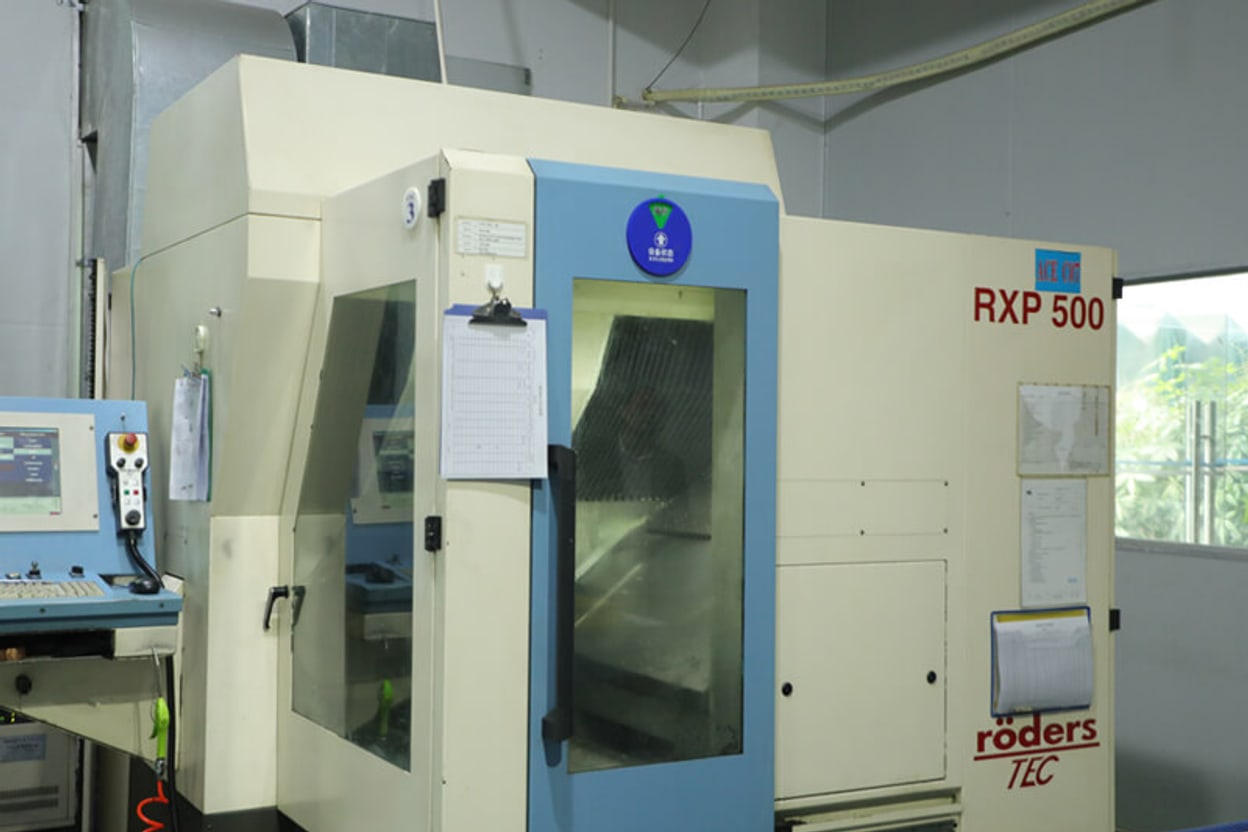
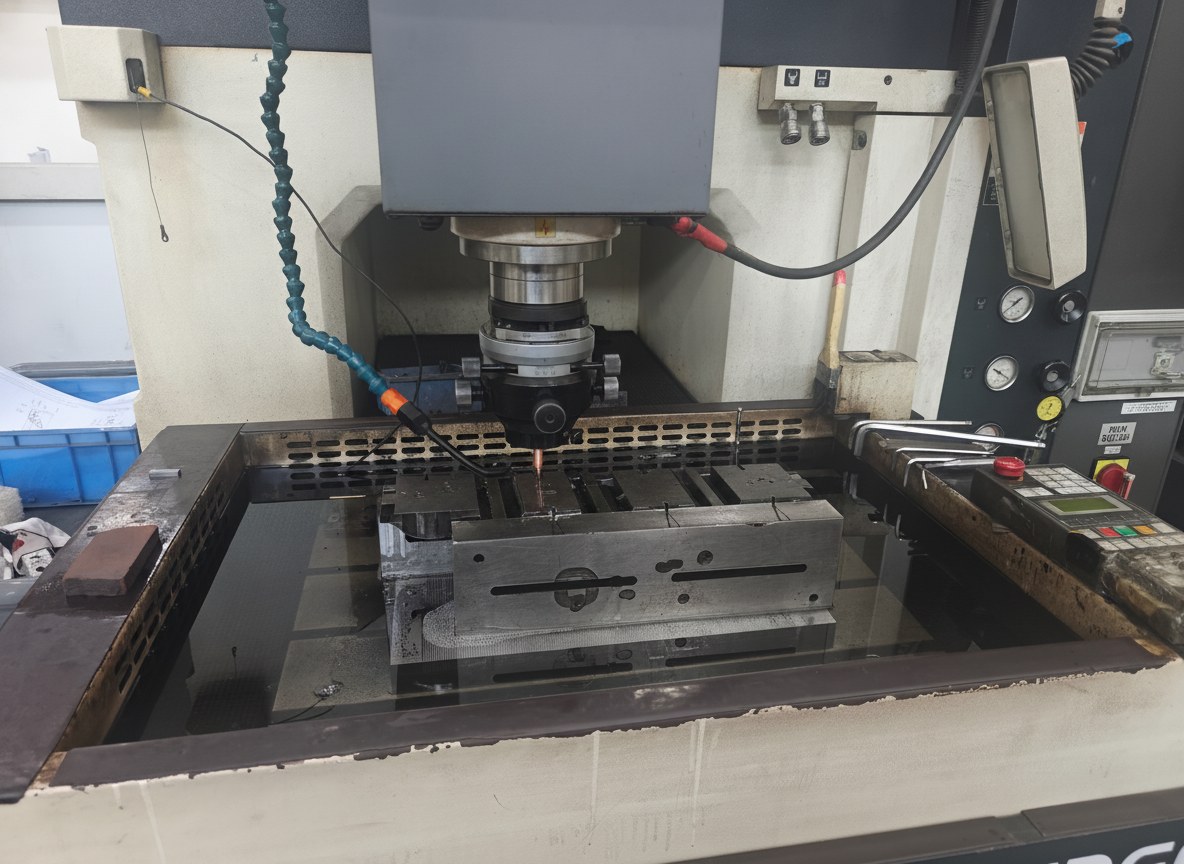
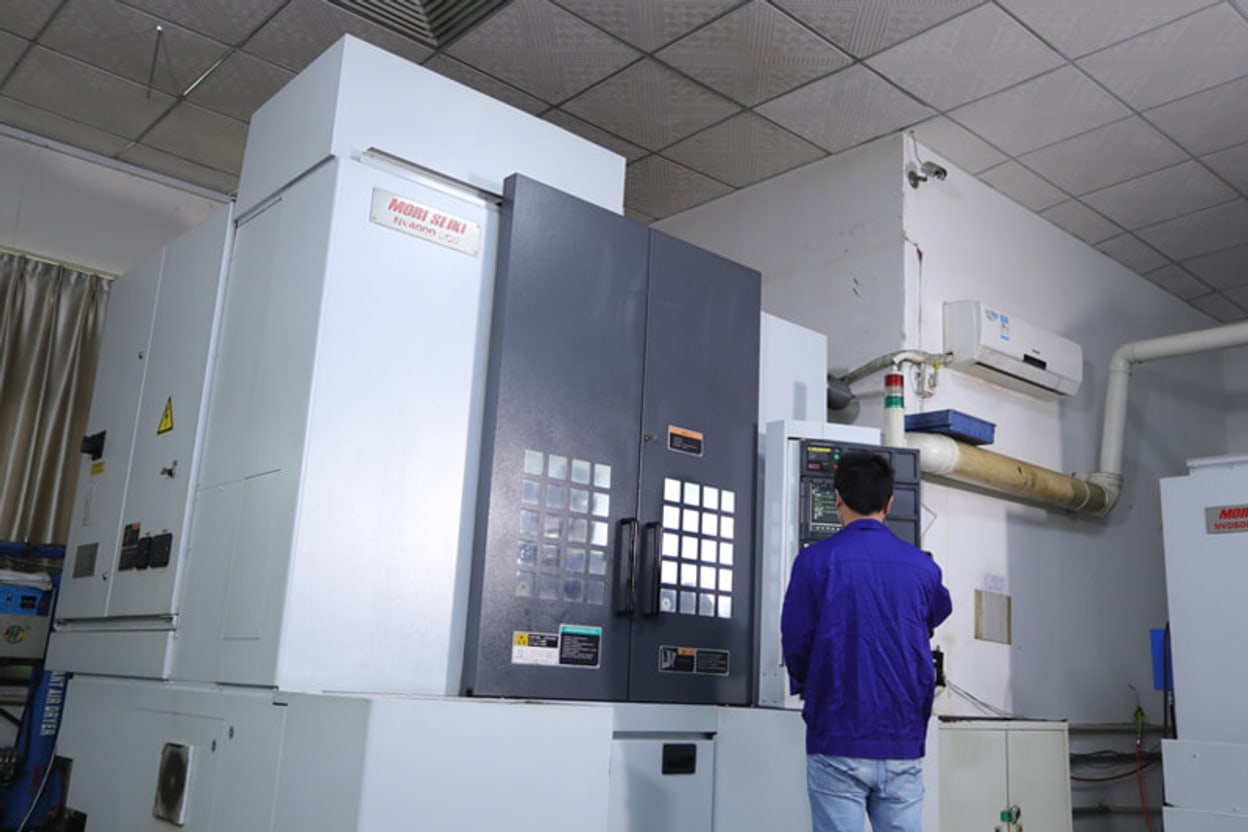
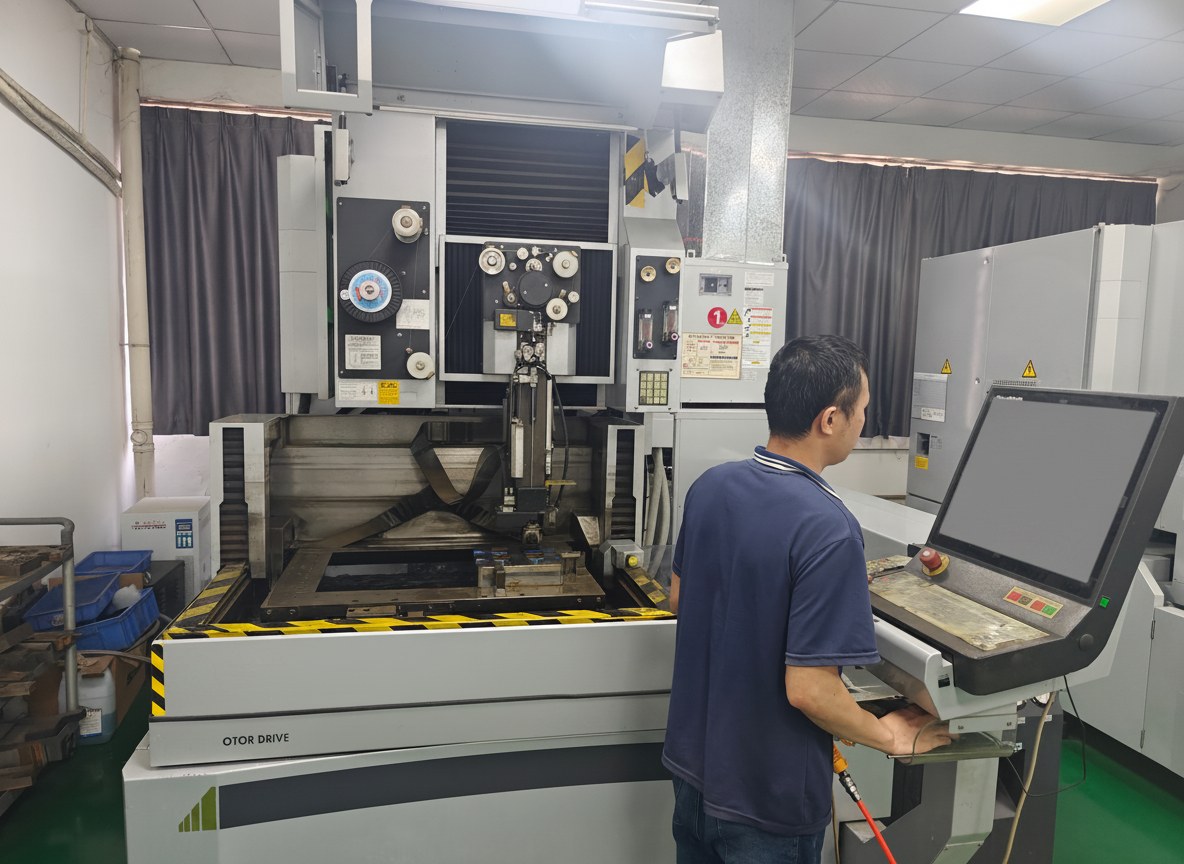
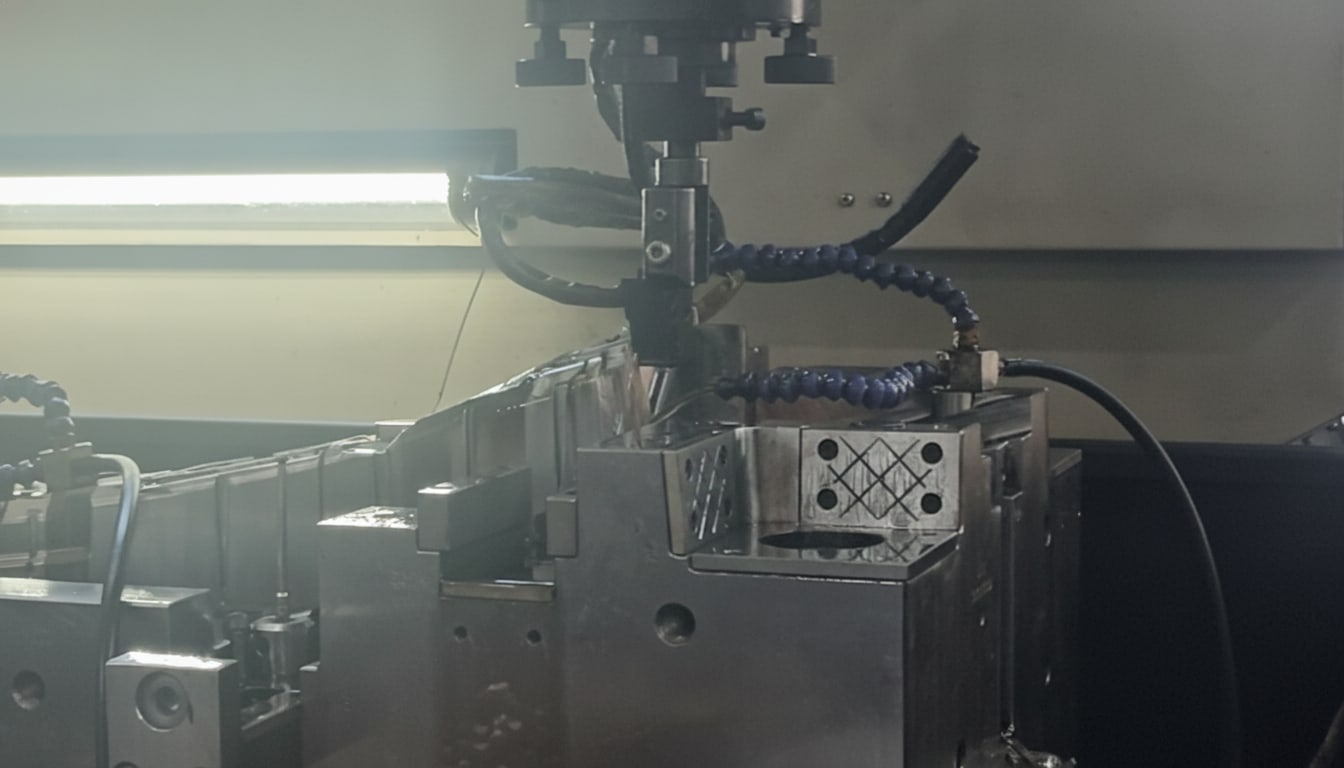
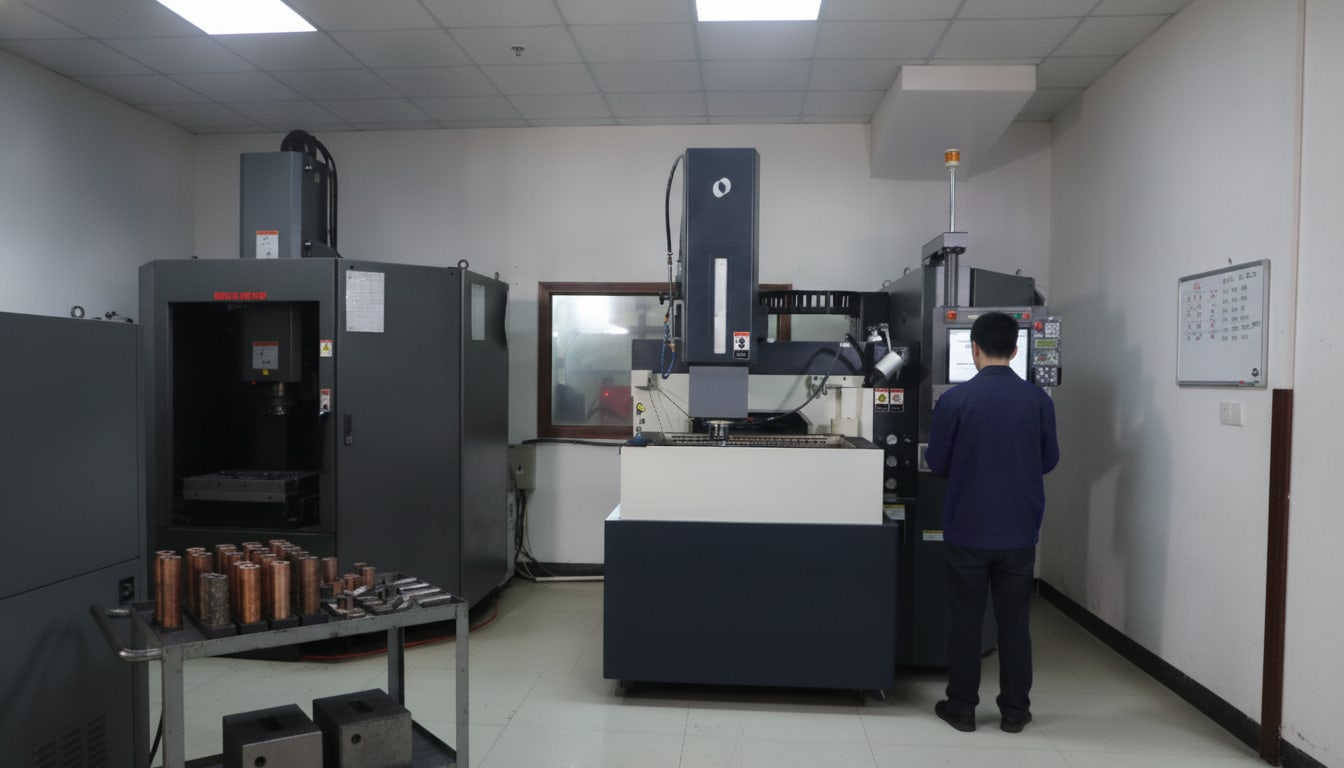
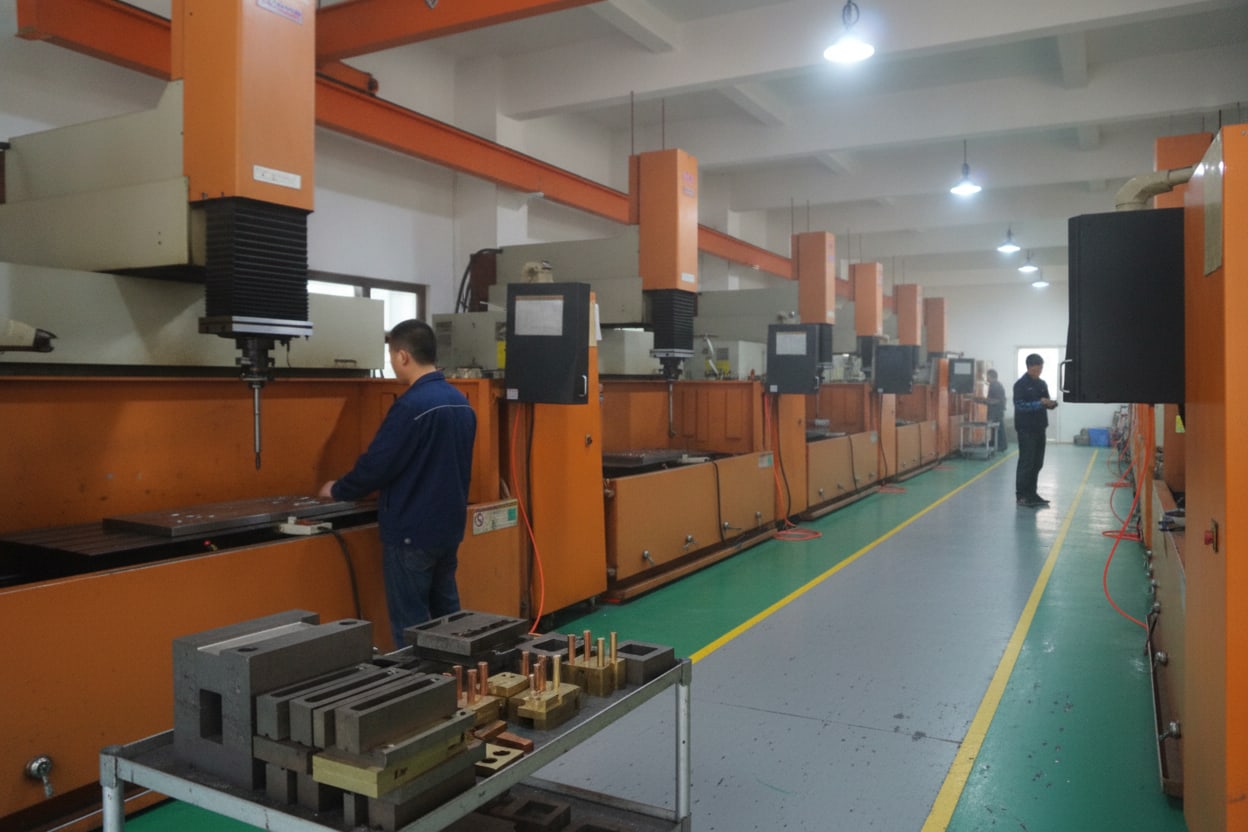
The mold is cut in aluminum or hardened steel on German Roeders and Japanese Mazak machining centers running to 50,000 rpm, several with Renishaw probing on the machine, then spark eroded on Sodick and Mori Seiki sinker and wire EDM for the corners a cutter cannot reach. T1 samples come back to you with a full dimensional report before anything runs in volume. Production then molds on Haitian, Toshiba, FANUC and Kiaming presses sized to the part, repeating to 0.01 mm (0.0004 in) from the first production run through repeat releases.
Compatible Materials
Commodity Plastics
- ABS
- Polypropylene (PP)
- Polyethylene (PE)
- Polystyrene (PS)
- PVC
Engineering Plastics
- Polycarbonate (PC)
- ABS+PC Blend
- Nylon PA6 / PA66
- Acetal (POM)
- PMMA (Acrylic)
- PBT
High-Performance
- PEEK
- PPS
- LCP
- Polysulfone (PSU)
- PEI (Ultem)
Flexible & Elastomeric
- TPE
- TPU
- TPV
- Liquid Silicone Rubber (LSR)
Thermosets
- Epoxy (EP)
- Phenolic (PF)
- Melamine (MF)
- Unsaturated Polyester (UP)
- Vulcanized Rubber
Available Surface Finishes
SPI A-1 / A-2 / A-3
Diamond-polished cavities producing mirror-gloss surfaces. A-1 is highest optical clarity.
SPI B-1 / B-2 / B-3
600-grit stone finish. Semi-gloss suitable for most consumer and industrial products.
SPI C-1 / C-2 / C-3
400-grit paper finish. Low-sheen matte surface common for interior components.
SPI D-1 / D-2 / D-3
Dry blasted matte texture. Non-reflective surfaces for technical and industrial parts.
VDI Texture (12–45)
Spark-eroded in-mold texture ranging from fine grain (VDI 12) to coarse (VDI 45).
Painting & Coating
Post-mold spray painting, chrome plating, or metallic coating for cosmetic requirements.
Typical Applications
Technical Documents & Specifications
Design guides and references for this process, grounded in real manufacturing rules. More are on the way.
Injection Molding Design Guide
Draft angles, wall thickness, rib and boss guidelines, and gate location recommendations for defect-free parts.
Tolerances & Fits
General tolerances, GD&T controls, and ISO 286 fits, with the achievable band for molded parts.
Material Properties Reference
Tensile strength, flexural modulus, HDT, and chemical resistance data for all supported thermoplastics.
DFM Checklist
Pre-submission checklist covering wall thickness ratios, undercut identification, and surface finish compatibility.
Industries we serve with Injection Molding
Teams we manufacture this process for. See representative parts and requirements by industry.
Ready to source your injection molding parts?
Upload your files. We measure your model against per-process, per-material rules and send a DFM review before you commit to a quote.