Die Casting
High-pressure die, gravity, and investment casting for complex metal parts at production volumes.
MASA FabWorks produces cast metal components across high-pressure die casting, gravity casting, and investment casting. Aluminum, zinc, and magnesium cover die and gravity work, while steel and stainless grades are investment cast for parts that are hard to die cast. Every job includes tooling design review, first article inspection, and optional CNC post-machining to achieve tight-tolerance features.
15+
Cast Alloys
0.8 mm / 0.031 in
Min Wall Thickness
3
Casting Methods
5 kg / 11 lb
Max Shot Weight
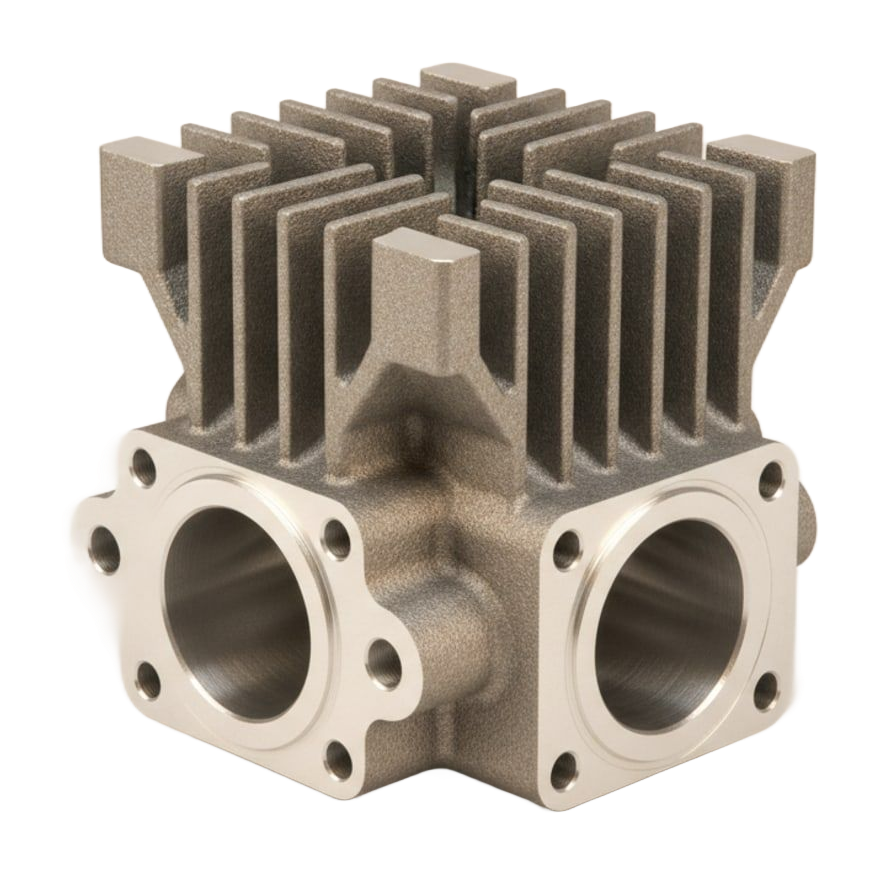
Die Casting Capabilities
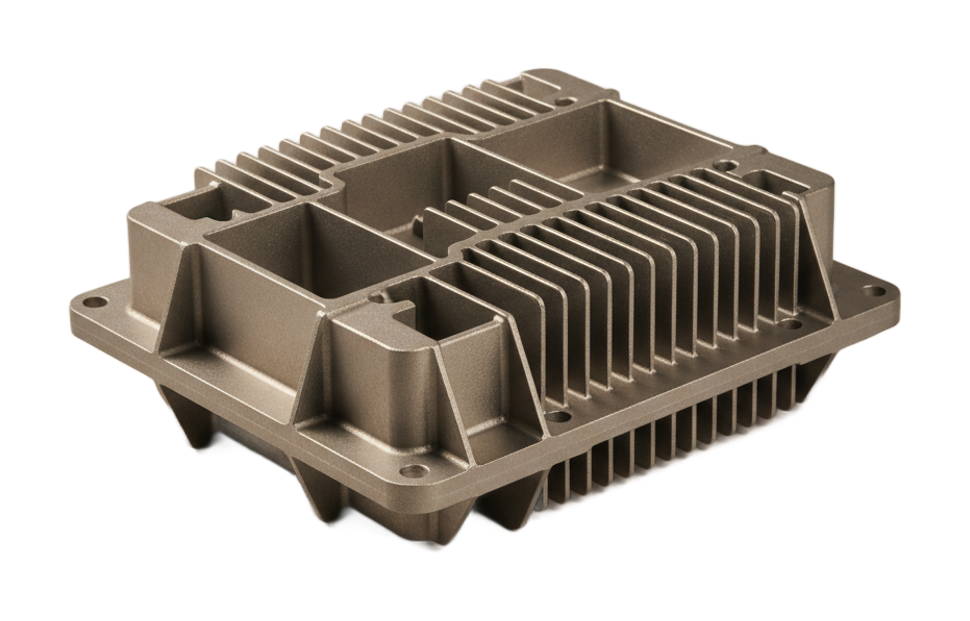
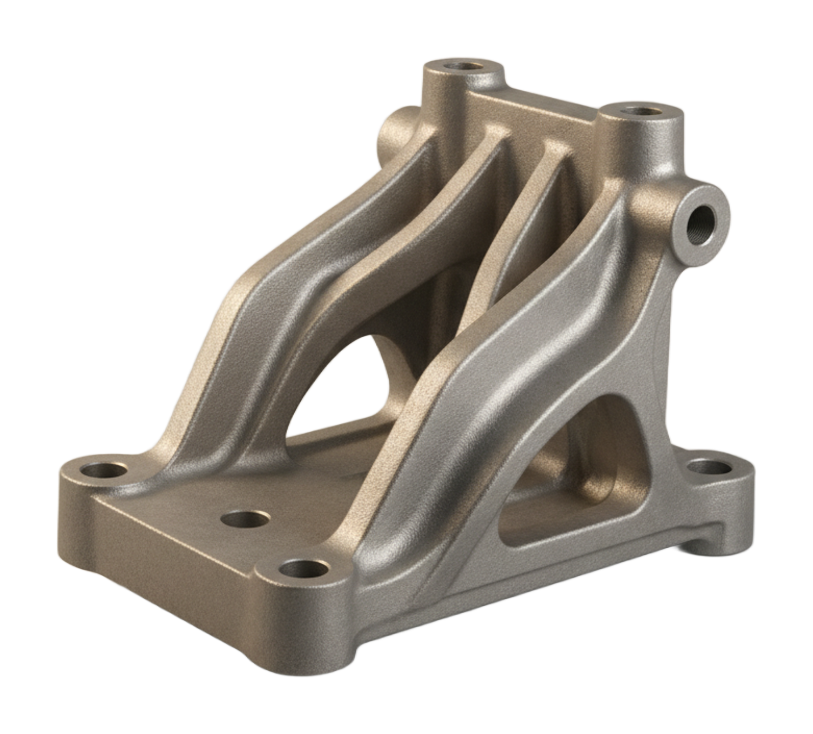
Die Casting (High-Pressure)
Molten aluminum, zinc, or magnesium is injected at high pressure into hardened steel dies to produce dense, dimensionally consistent parts with thin walls and complex internal geometry at production volumes.
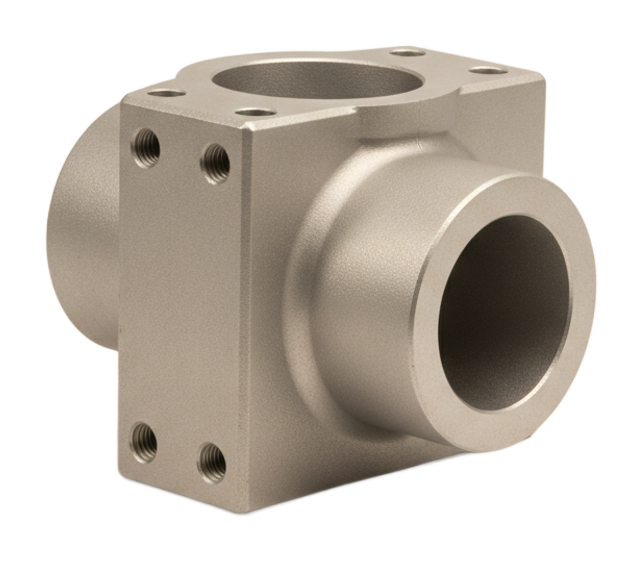
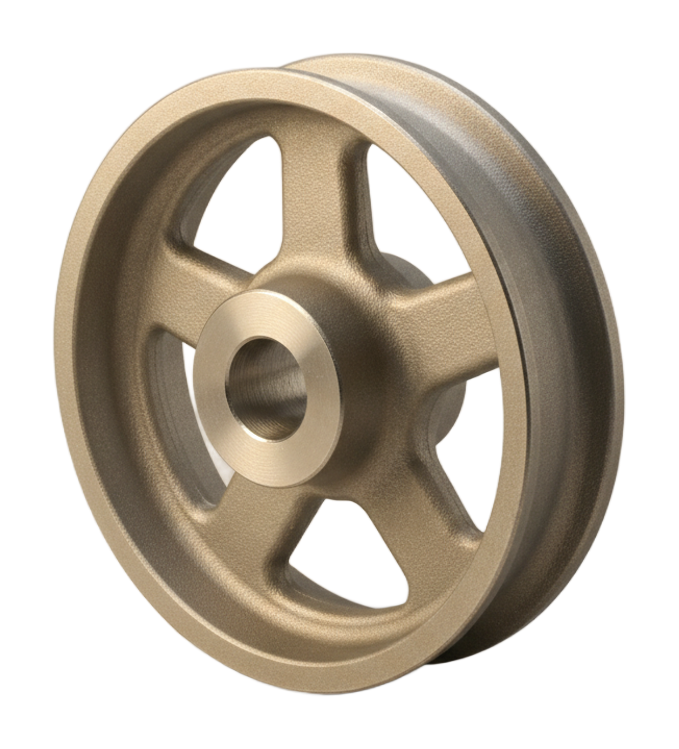
Gravity Casting
Metal is poured under gravity into reusable metal molds. Lower tooling cost than high-pressure die casting, well suited to thicker-wall, lower-complexity parts and smaller production runs.
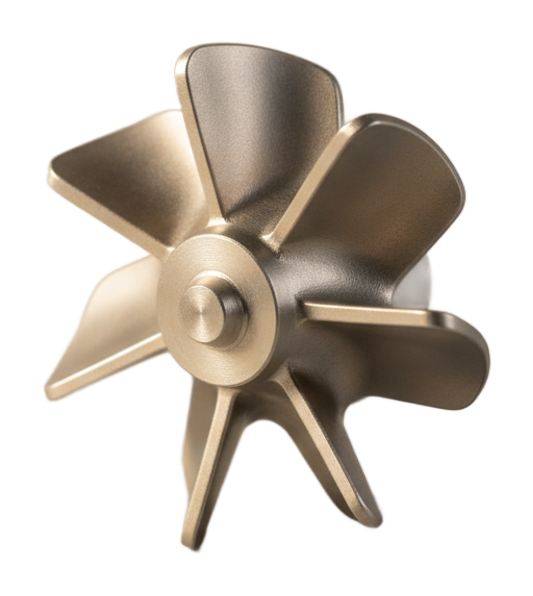
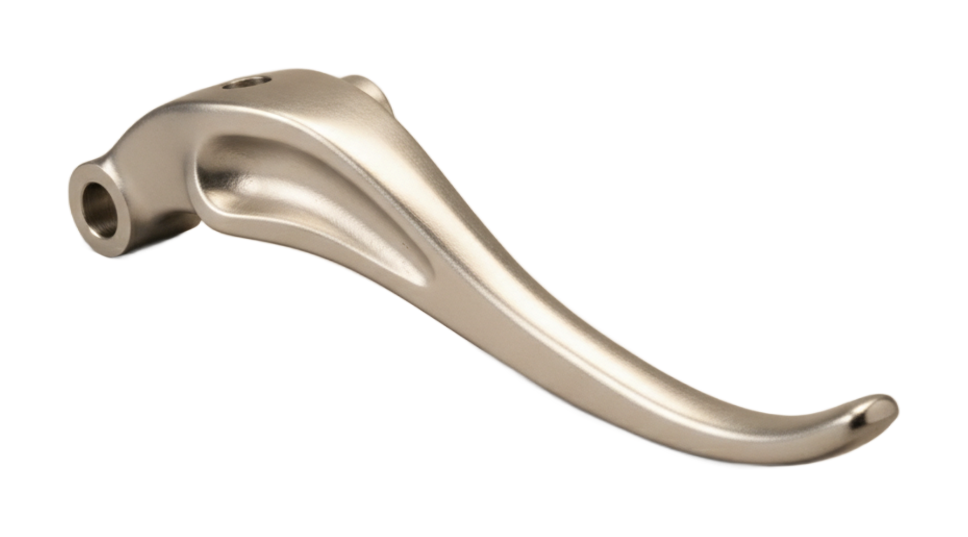
Investment Casting
A wax pattern is coated in a ceramic shell, melted out, and filled with molten metal. Delivers excellent surface finish and fine detail in steel and stainless grades that are difficult to die cast.
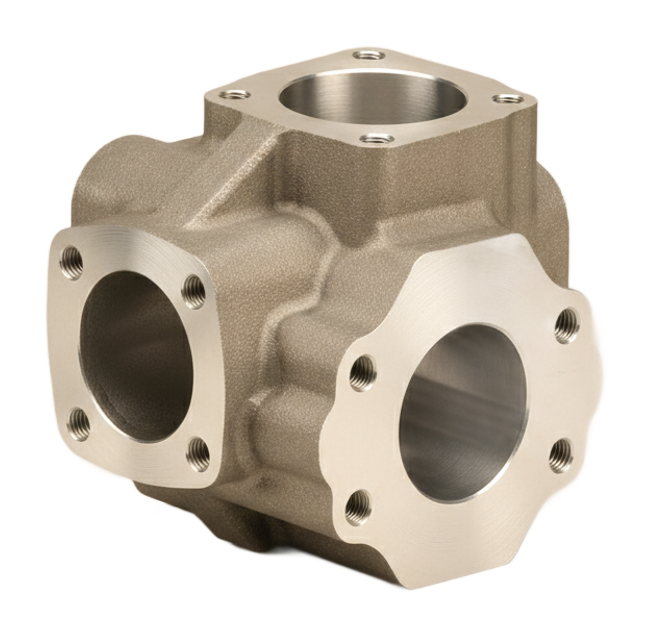
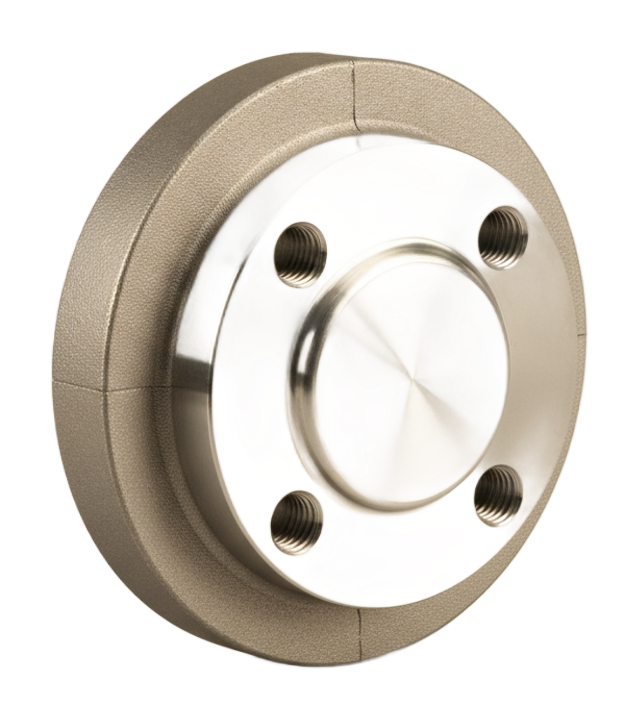
CNC Post-Machining
Critical surfaces, bores, threads, and mating faces are CNC-machined after casting to achieve tolerances tighter than the as-cast process can reliably hold.
Shot, trimmed, then machined
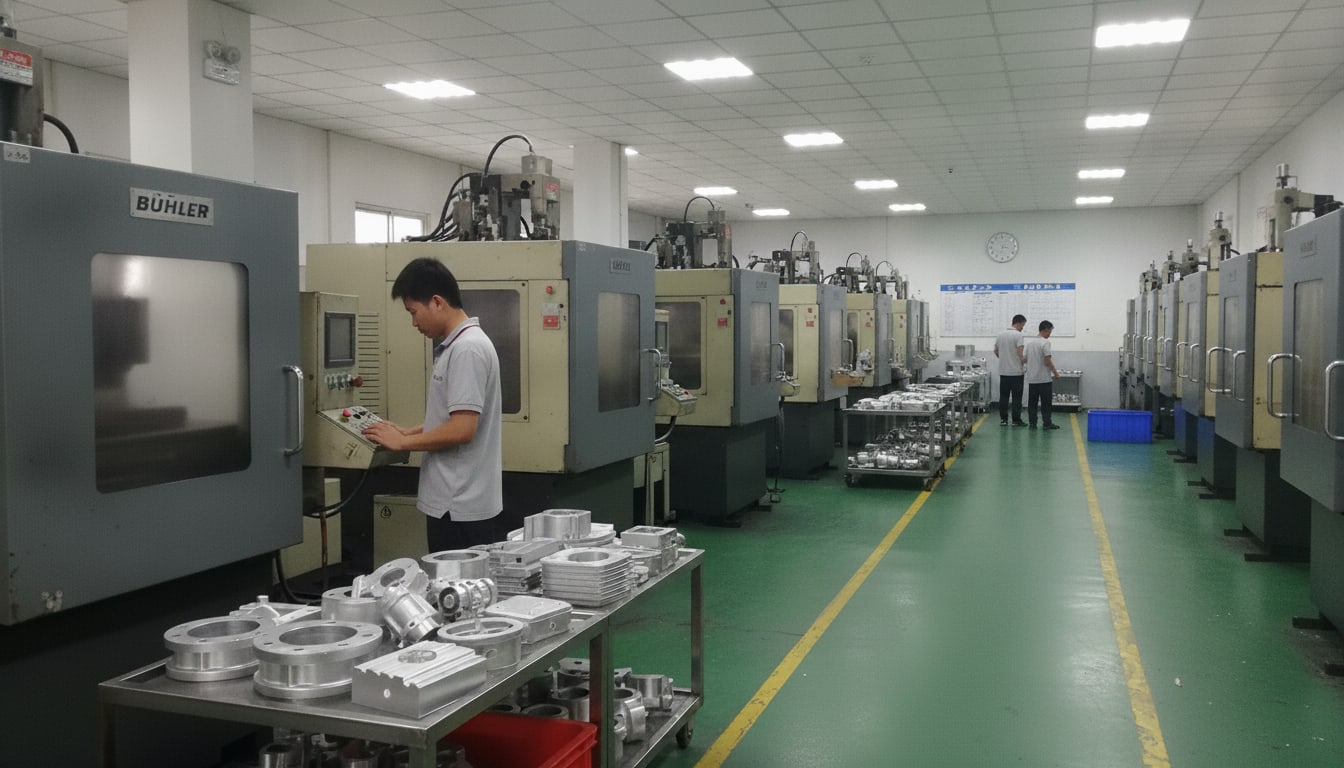
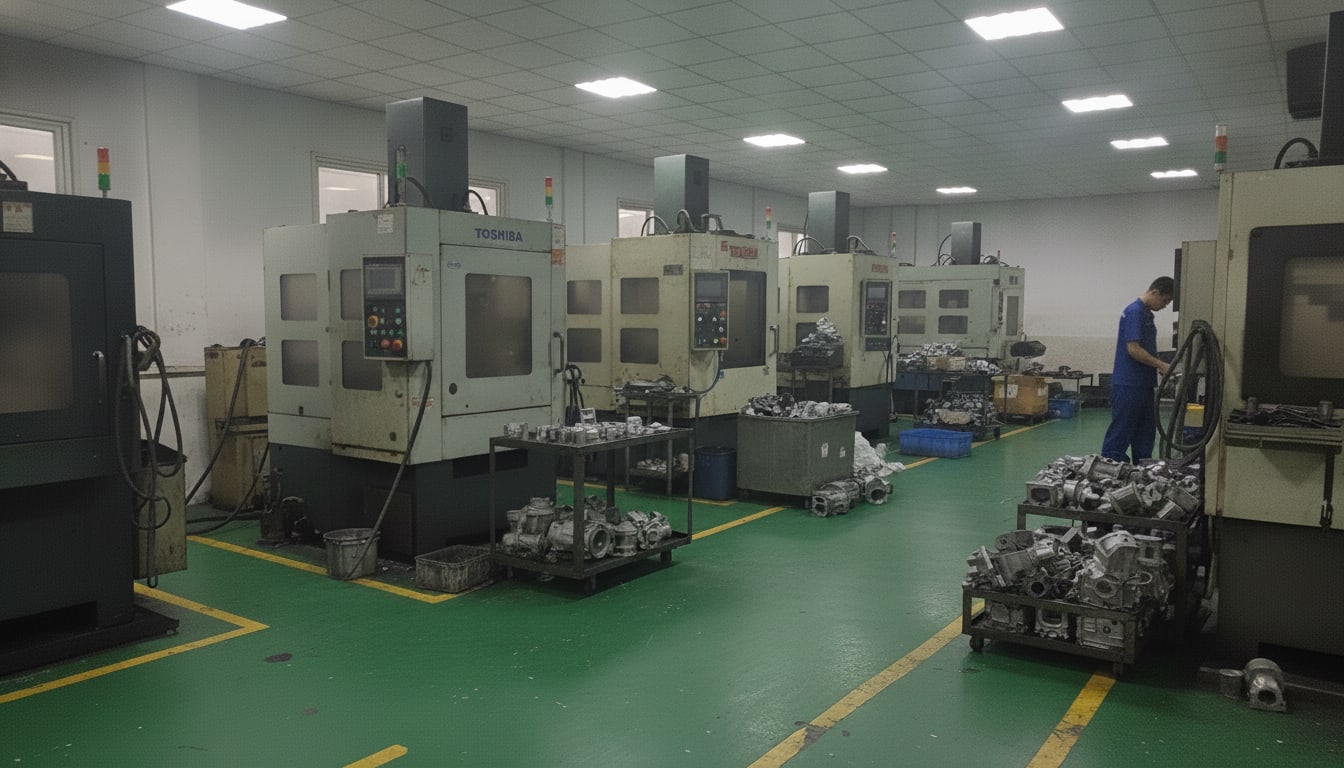
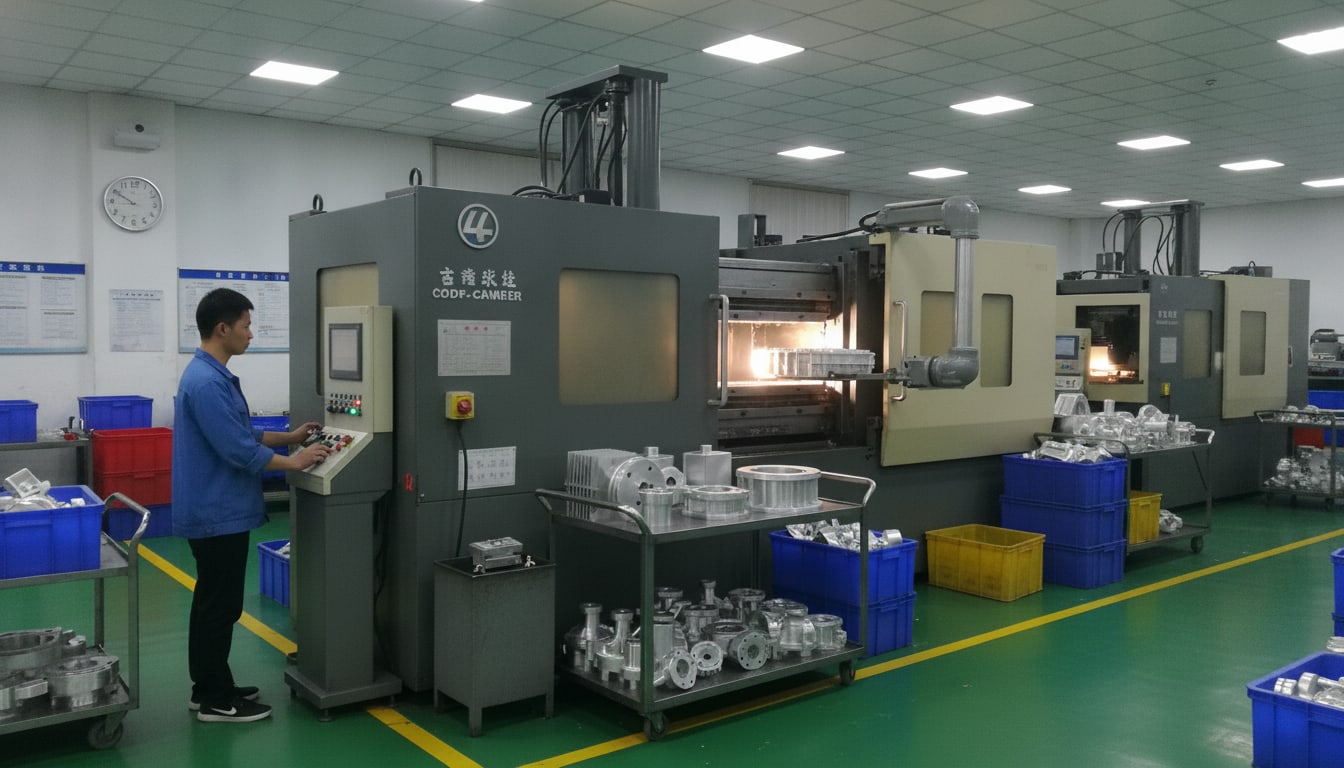
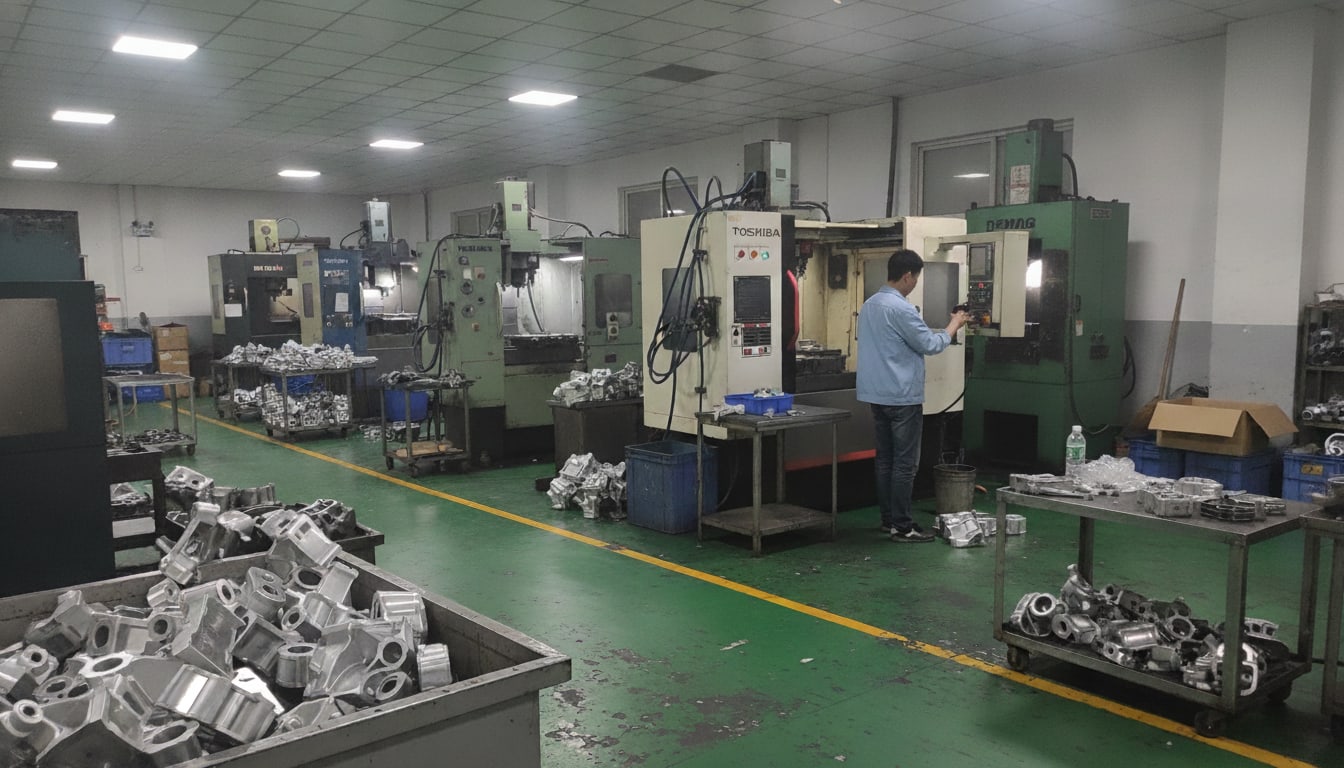
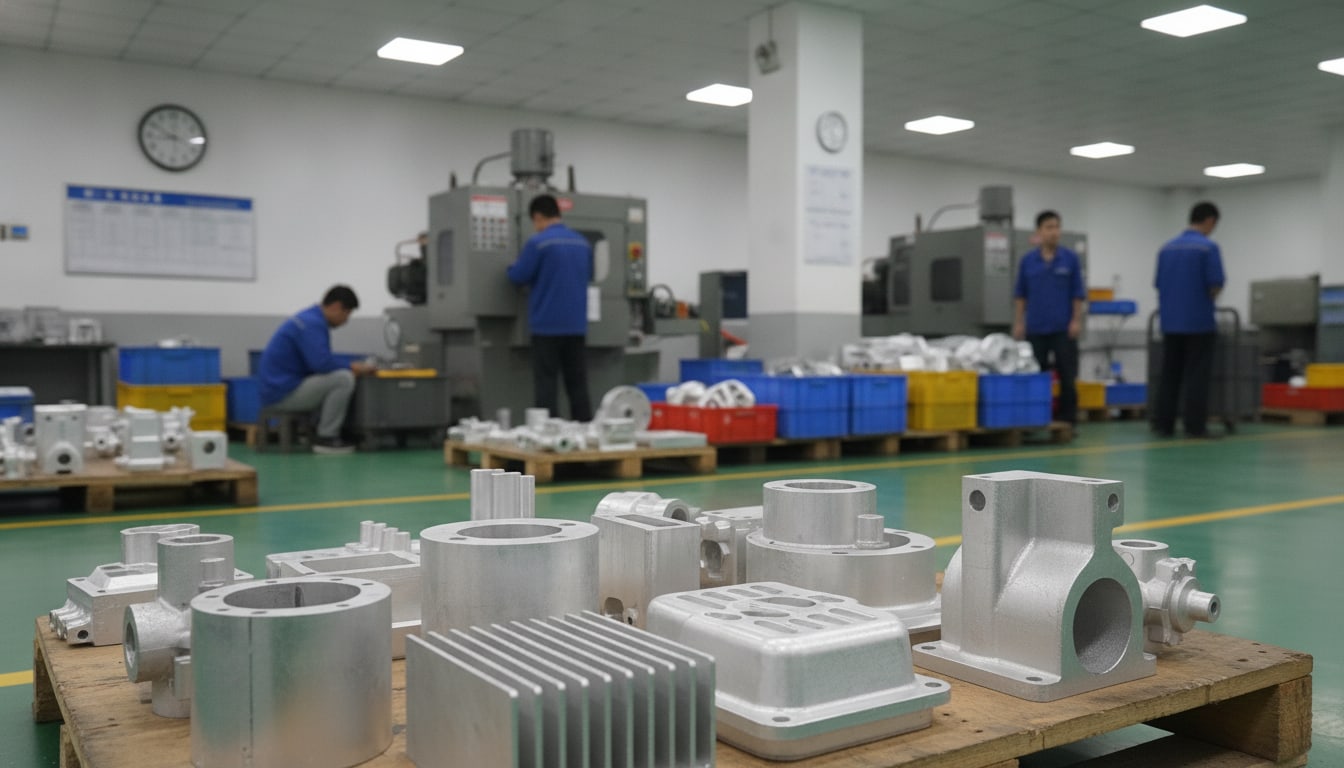
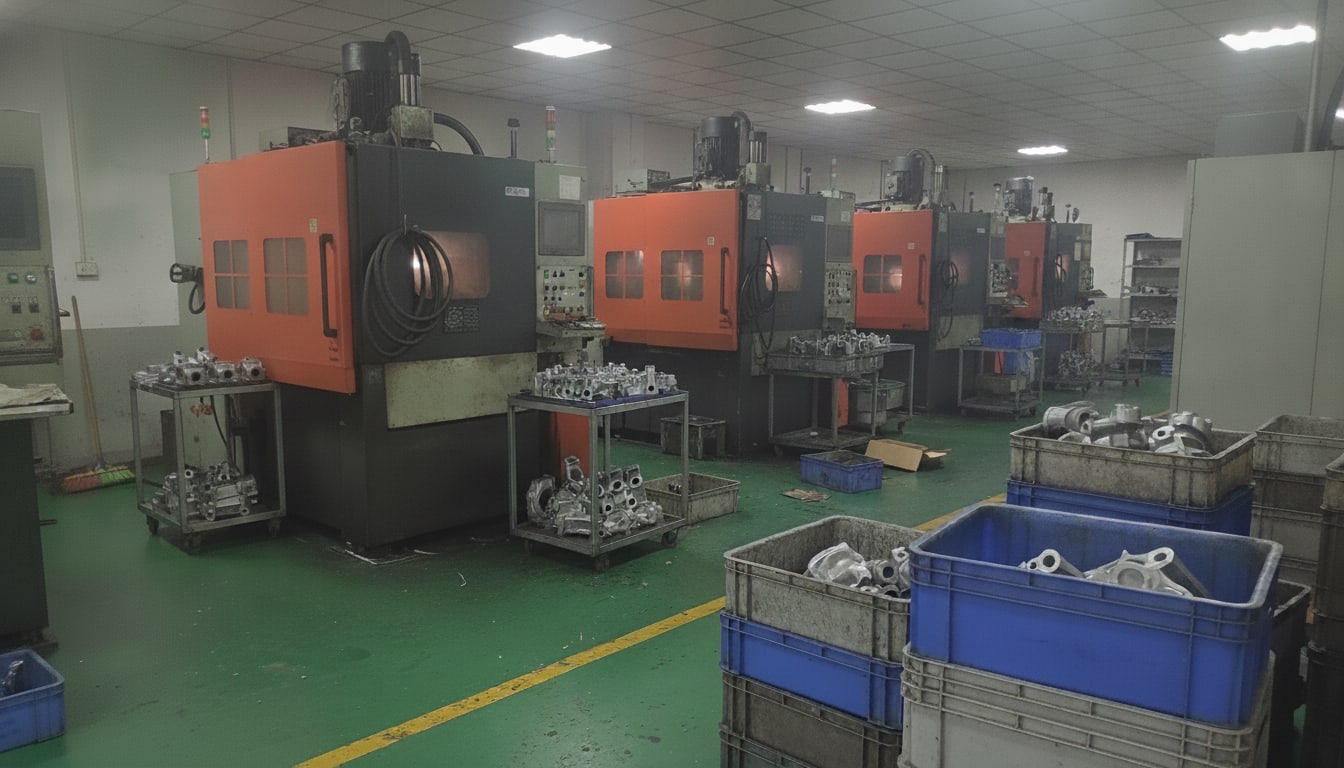
The die itself is cut and spark eroded in the same tool room that builds the injection molds, on high-speed machining centers and sinker and wire EDM. Molten alloy is then shot into that hardened steel die on BÜHLER and TOSHIBA presses, ejected, trimmed and shot blasted, with CNC post-machining wherever a feature is tighter than casting alone will hold. More than 15 alloys across high-pressure die, gravity and investment casting, down to 0.8 mm (0.031 in) wall and up to a 5 kg (11 lb) shot.
Compatible Materials
Aluminum Alloys
- A380 (General purpose)
- A360 (Pressure-tight)
- ADC12 (JIS standard)
- A413
- A383 (Cu-free)
Zinc Alloys
- Zamak 3 (General purpose)
- Zamak 5 (Higher strength)
- Zamak 7 (High purity)
- ZA-8
Magnesium Alloys
- AZ91D (Most common)
- AM60B (High ductility)
- AS41B (Elevated temp)
Investment Casting Alloys
- Carbon Steel 1020
- 304 Stainless
- 316 Stainless
- 17-4 PH Stainless
- A356 Aluminum
Available Surface Finishes
As-Cast / Shot Blast
Cleaned and shot-blasted as-cast surface. Suitable for non-cosmetic structural components.
CNC Machined Faces
Selective CNC machining of mating and sealing surfaces for improved flatness and finish.
Powder Coat
Electrostatically applied coating over primed castings. Standard for enclosures and exposed hardware.
Anodizing (Aluminum)
Type II or III anodize for aluminum die castings requiring corrosion resistance or cosmetic finish.
Electroplating
Chrome, nickel, or zinc electroplating for decorative or functional surface requirements.
Painting
Primer and topcoat painting in any color. Suitable for automotive, lighting, and consumer applications.
Typical Applications
Technical Documents & Specifications
Design guides and references for this process, grounded in real manufacturing rules. More are on the way.
Die Casting Design Guide
Draft angles, wall thickness, rib design, hole placement, and parting line considerations for die cast parts.
Materials Reference
Mechanical properties and grade selection across the alloys and resins we run.
Tolerances & Fits
General tolerances and ISO 286 fits, with the achievable as-cast and post-machined bands.
Surface Finish Guide
Finish options, application requirements, and compatibility matrix for die cast alloys.
Industries we serve with Die Casting
Teams we manufacture this process for. See representative parts and requirements by industry.
Ready to source your die casting parts?
Upload your files. We measure your model against per-process, per-material rules and send a DFM review before you commit to a quote.